

Understanding Resistive Touchscreens: How They Work
July 3, 2025
In a world dominated by smartphones and tablets with sleek capacitive touchscreens, resistive touchscreen technology might sound like a thing of the past, but it continues to play a vital role in countless industrial, medical, and specialized applications.
At FORTEC US, we know that resistive touchscreens’ reliability and versatility still make them a smart choice for many demanding environments.
Let’s explore what makes resistive technology unique, how they work, and why they remain an essential part of modern display solutions.
What is a Resistive Touchscreen?
A resistive touchscreen is a touch-sensitive interface built from multiple layers. The most common design includes:
- A flexible plastic top layer (usually PET film)
- A rigid glass or acrylic bottom layer
- Both layers are coated with a conductive material (commonly indium tin oxide, ITO)
Between the two layers are tiny spacer dots to keep them apart. When you press the screen, whether with your finger, a stylus, or even while wearing thick gloves, the top layer flexes and makes contact with the bottom layer. This contact changes the electrical current, which the controller then interprets as a touch point.
How Resistive Touchscreens Work
The touch detection process in resistive screens is based on pressure rather than electrical conductivity (as in capacitive screens). Here’s what happens step by step:
- Pressure is applied to the flexible top layer.
- This pressure causes the top layer to bend until it touches the bottom layer.
- At the contact point, the conductive coatings meet, creating a change in voltage.
- A touch controller processes this voltage change and calculates the exact location of the touch.
This pressure-based approach means resistive touchscreens can detect input from almost anything: fingers (gloved or bare), styluses, pens, or even blunt objects.
Key Advantages of Resistive Touchscreens
- Use with gloves or tools: Unlike capacitive screens, resistive screens don’t rely on the electrical conductivity of your finger. This makes them perfect for environments where gloves or styluses are used — like industrial settings or medical applications.
- Cost-effective and proven: Resistive technology is simple and affordable, making it accessible for a wide range of projects.
- Durable and scratch-resistant: Glass/glass resistive touchscreens are highly durable, supporting frequent cleaning with various agents and maintaining clarity over time.
- Versatile integration: Resistive touchscreens are available in sizes from small handheld displays to larger panels, and they can be customized with anti-glare coatings, protective glass, and more.
FORTEC US: Your Partner for Tailored Touchscreen Solutions
At FORTEC US, we combine years of expertise with a commitment to innovation. Whether you’re looking for standard resistive panels or fully customized touchscreen solutions, we can help design a system that meets your exact needs.
Ready to learn more? Contact us today and discover how resistive touch technology can enhance your next project.
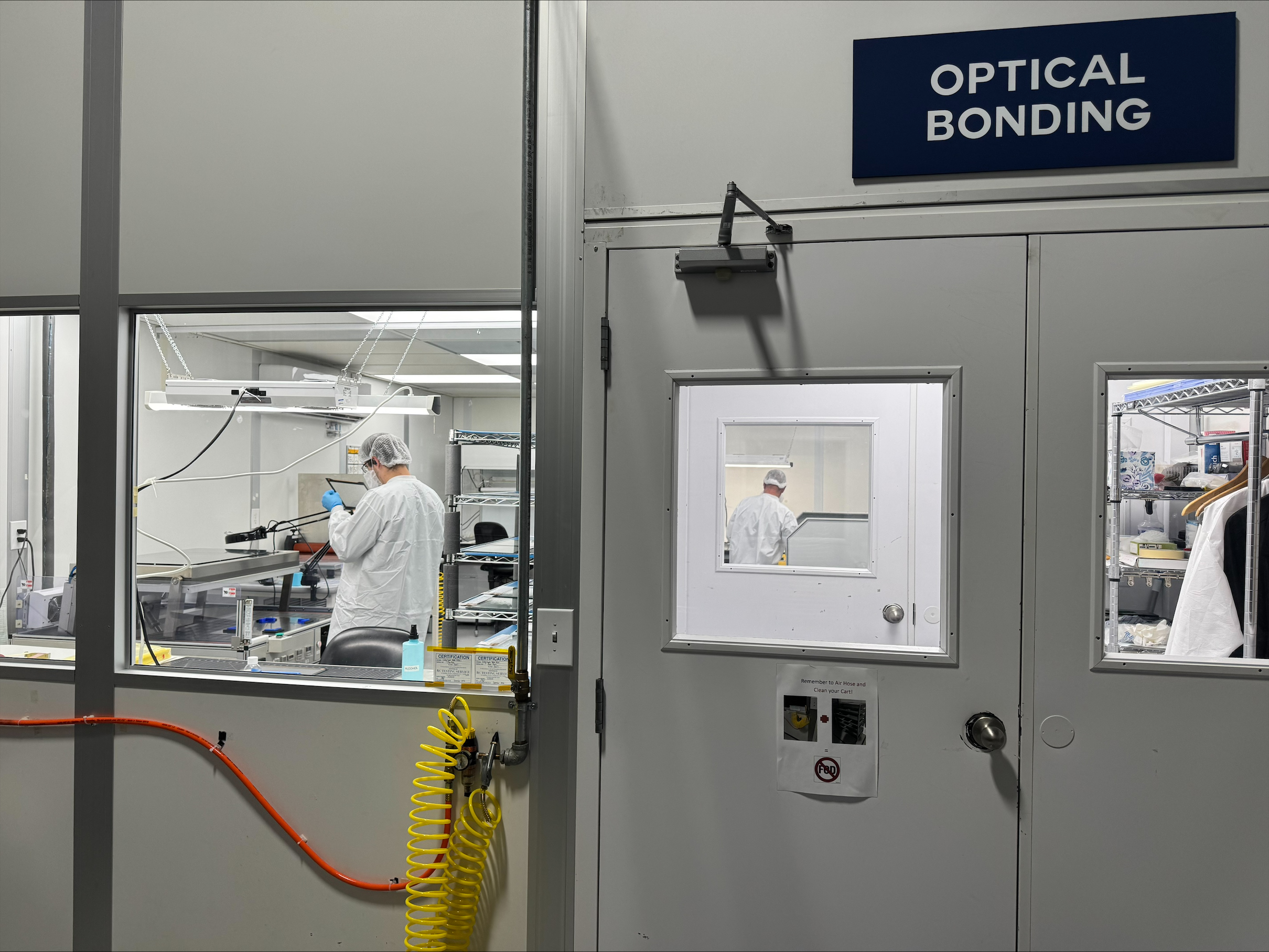
Which Optical Bonding Material Is Best: Silicone OCA, Acrylic OCA, or LOCA?
October 15, 2026
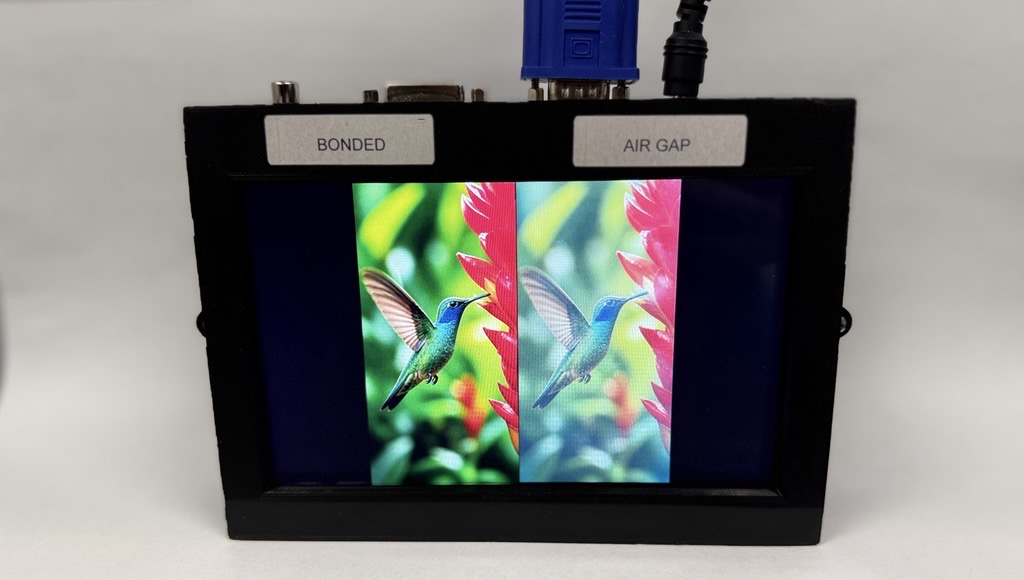
How Do You Design a Display for Harsh Environments?
October 12, 2026

How to Choose an Edge AI Computer for a Medical Device
September 29, 2026

Embedded PCs vs. Consumer PCs: What’s the Difference?
August 31, 2026

How Hover Touch Technology Can Improve Industrial Interfaces
August 31, 2026

The Real Cost of Choosing the Wrong Display for an Industrial Product
August 28, 2026