
Back to Blog
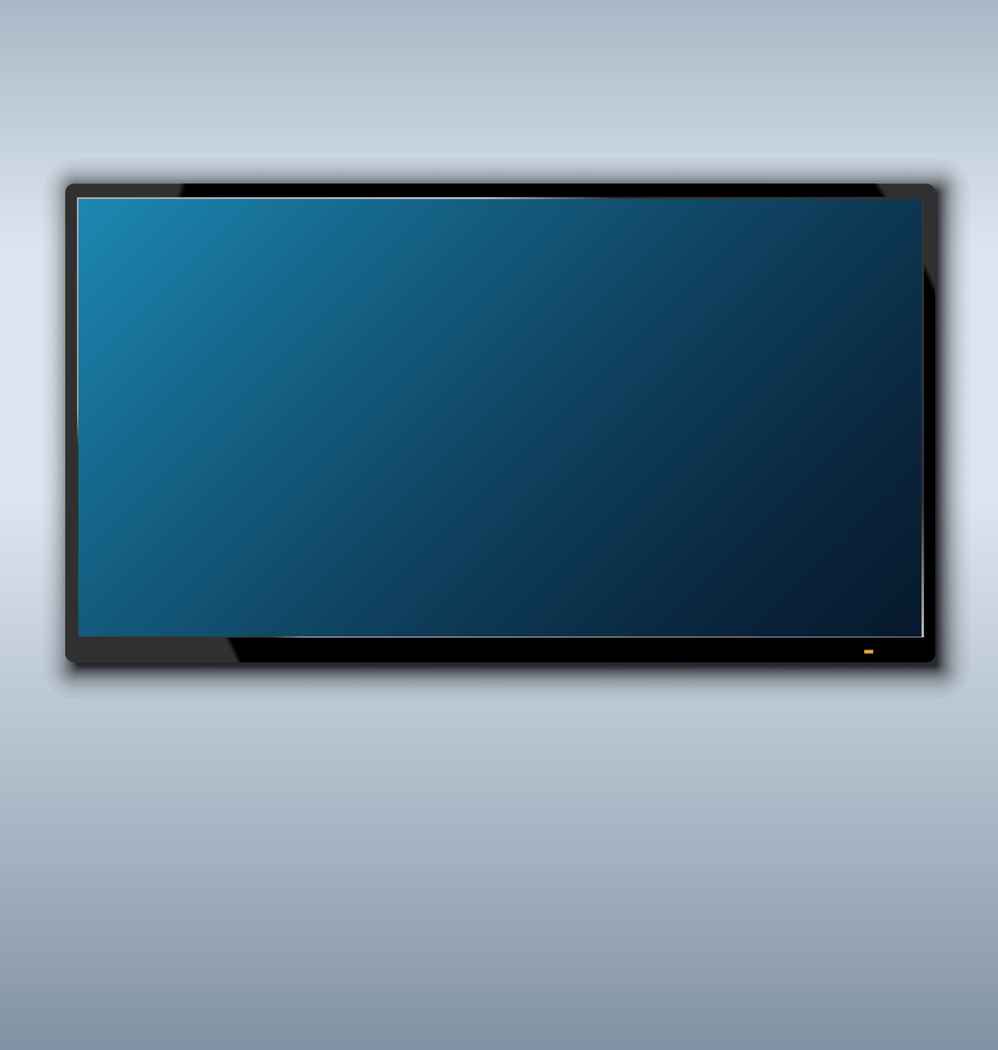
What Is a TFT Display? A Beginner’s Guide
March 6, 2026
In the modern world of digital technology, displays are everywhere, from smartphones and tablets to industrial machinery and retail kiosks. One of the most common display types used in both consumer and industrial applications is the TFT display. But what exactly is a TFT display, and why is it so widely used? In this beginner’s guide, we’ll break it down.
What Does TFT Mean?
TFT stands for Thin-Film Transistor, a type of LCD (Liquid Crystal Display) that uses transistors to control individual pixels. Each pixel in a TFT display has its own transistor, enabling faster response times, better color accuracy, and sharper images than on older passive-matrix displays.
This technology has become the standard in everything from smartphones to industrial monitors because it provides high-quality visuals with precise control.
How TFT Displays Work
TFT displays use liquid crystals, which don’t emit light on their own. Instead, they manipulate light passing through them using the transistor array. When voltage is applied to a pixel, the liquid crystal changes alignment, controlling how much light passes through. When combined with a backlight, TFT displays produce bright, vibrant images.
The individual transistor at each pixel is the key to high-resolution images and smooth color transitions. This precise control allows TFT displays to show everything from static images to full-motion video with clarity.
Advantages of TFT Displays
TFT technology offers several key benefits:
- High Image Quality: Sharp images and rich colors make TFT displays ideal for applications requiring visual precision.
- Fast Response Time: The active-matrix design reduces motion blur and ghosting, which is crucial for gaming, video, or industrial monitoring.
- Wide Viewing Angles: Modern TFT displays, especially those with IPS technology, deliver consistent color and clarity across multiple viewing angles.
- Versatility: TFT displays come in a variety of sizes, resolutions, and formats, making them suitable for everything from handheld devices to large industrial panels.
Where TFT Displays Are Used
TFT displays are incredibly versatile and can be found in numerous applications:
- Consumer Electronics: Smartphones, tablets, laptops, and digital cameras.
- Industrial Applications: Manufacturing controls, medical devices, and logistics screens.
- Retail and Hospitality: POS terminals, self-service kiosks, and digital signage.
- Transportation: Aircraft, automotive dashboards, and train control panels.
Custom TFT Solutions from Fortec US
At Fortec US, we specialize in providing custom TFT display solutions to meet the unique requirements of industrial, commercial, and retail applications. From standard sizes to fully customized display modules with touch integration, optical bonding, and enhanced brightness, our solutions are designed to provide reliability, durability, and optimal visual performance.
Whether you’re designing a new product or upgrading an existing system, Fortec US can help you select the right TFT display technology and create a solution tailored to your project. Contact our team today.
How to Plan for Component Obsolescence Before It Becomes a Problem
March 5, 2026
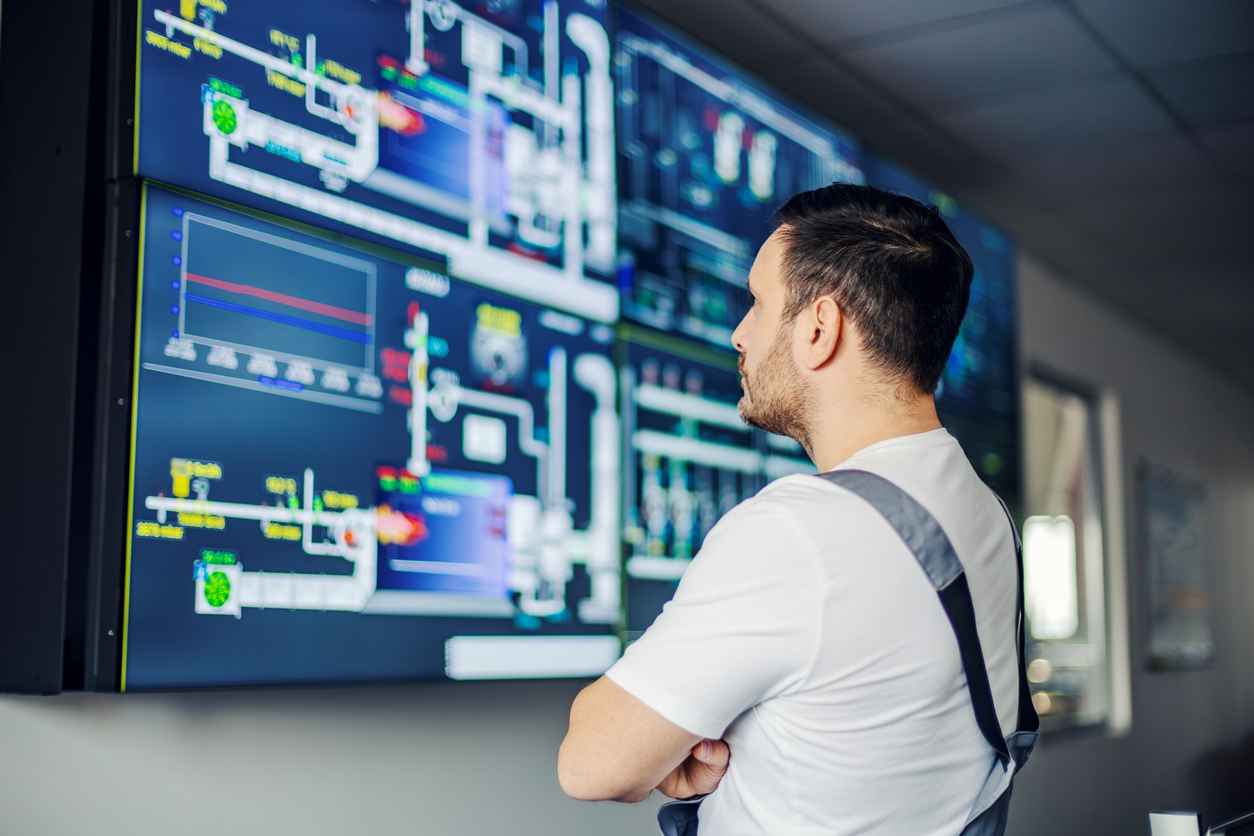
Why Optical Bonding Matters in High-Reliability Displays
March 2, 2026
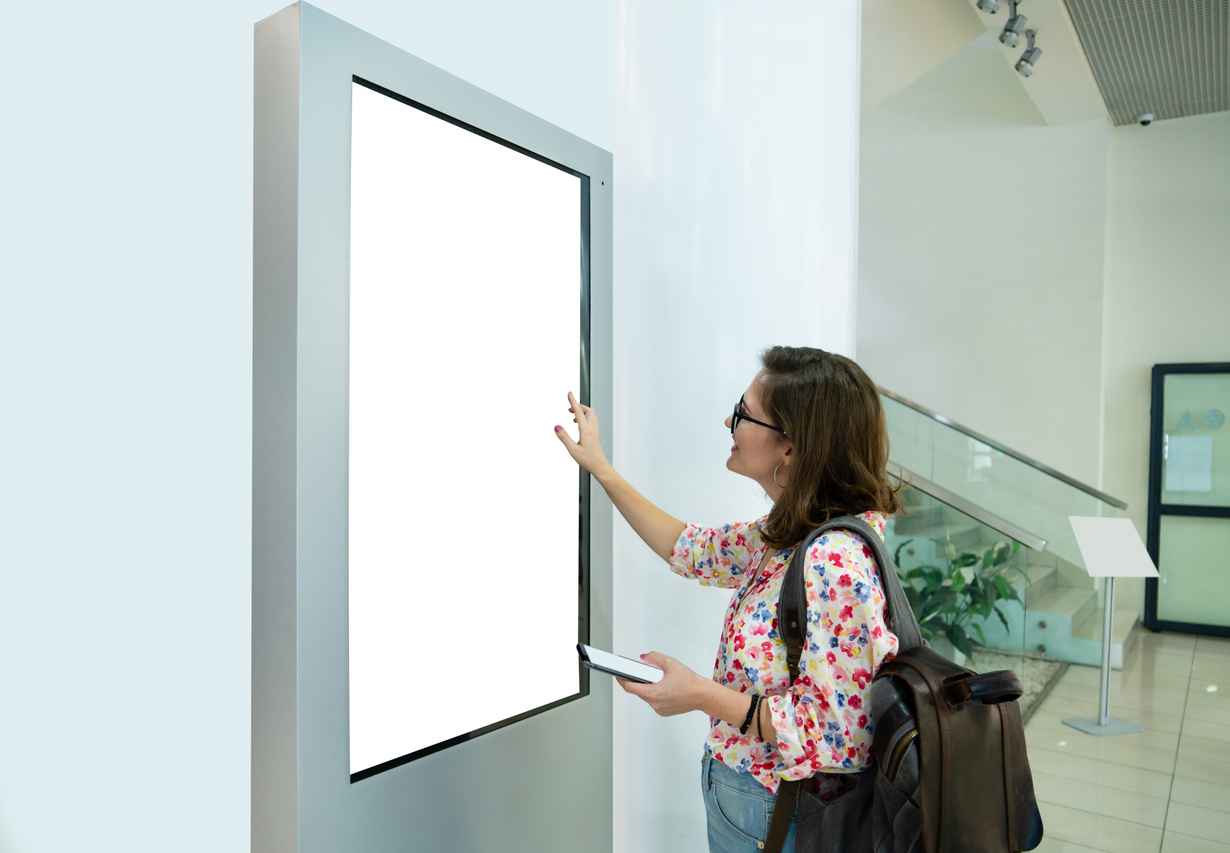
How Display Technology Strengthens Human-Machine Interaction
February 7, 2026
Cybersecurity in 2026: What Companies Should Be Preparing for Now
February 4, 2026

When Should I Change My Passwords?
February 1, 2026
How Smart Display Solutions Will Drive Brand Visibility in 2026
January 7, 2026