Back to Blog
Why Multi-Factor Authentication Matters More Than Ever
July 2, 2026
How MFA Helps Prevent Unauthorized Access
Cybersecurity threats continue to evolve, and relying solely on passwords is no longer enough to protect sensitive information. As cybercriminals use increasingly sophisticated methods to gain unauthorized access to accounts and systems, businesses and individuals alike need stronger security measures.
One of the simplest and most effective ways to strengthen your digital security is Multi-Factor Authentication (MFA). By requiring multiple forms of verification, MFA significantly reduces the risk of unauthorized access, even if a password has been compromised.
What Is Multi-Factor Authentication?
Multi-Factor Authentication is a security process that requires users to verify their identity using two or more authentication factors before accessing an account or system.
These factors typically include:
- Something you know: A password or PIN.
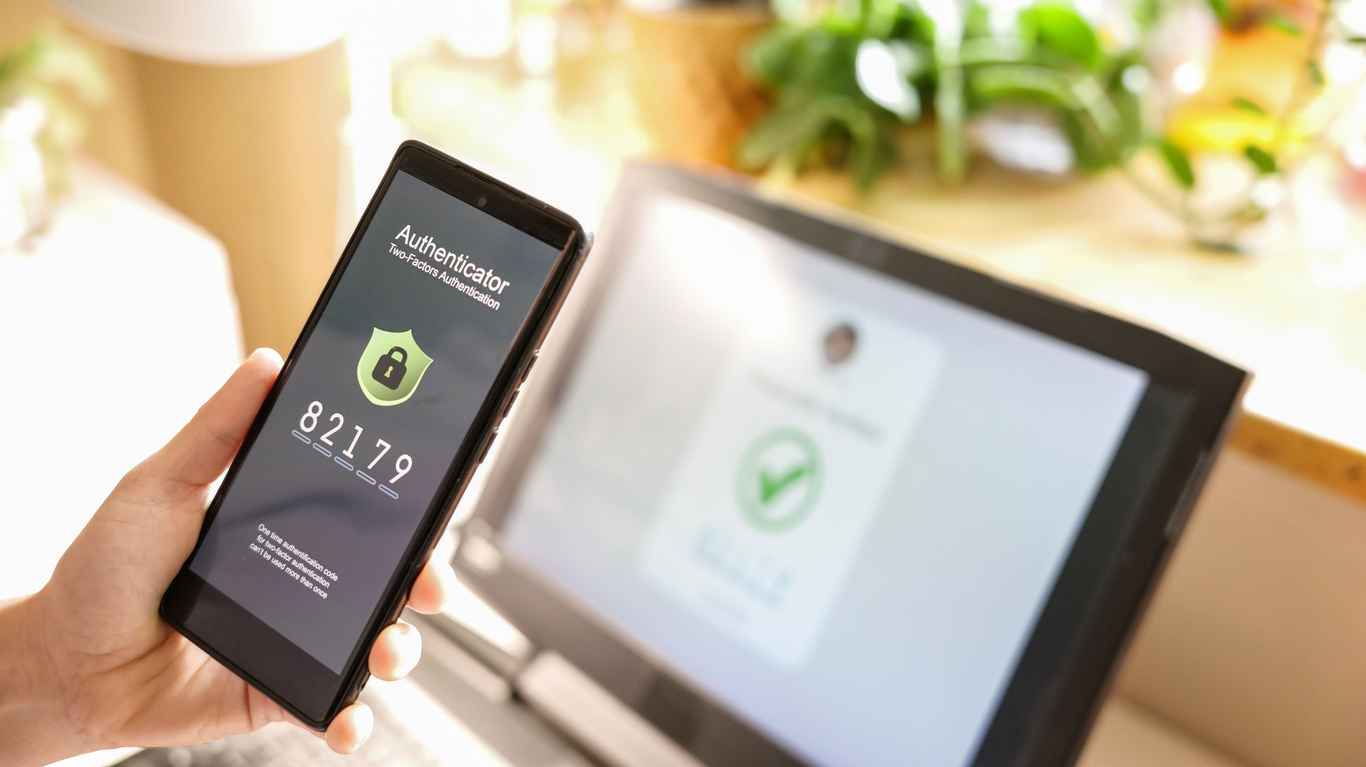
- Something you have: A smartphone, security token, or authentication app.
- Something you are: Biometric verification, such as a fingerprint or facial recognition.
Because an attacker would need multiple pieces of information, not just your password, MFA provides a much stronger layer of protection.
Why Passwords Alone Aren’t Enough
Passwords remain one of the most common security tools, but they’re also one of the easiest targets for cybercriminals.
Passwords can be compromised through:
- Phishing emails
- Data breaches
- Password reuse across multiple accounts
- Weak or predictable passwords
- Malware or keylogging software
Even strong passwords can become vulnerable if they are exposed in a breach. MFA helps reduce that risk by adding another security checkpoint.
How MFA Protects Your Business
For organizations, a compromised account can lead to operational disruptions, financial loss, and exposure of sensitive data.
Implementing MFA helps organizations:
- Protect employee accounts
- Secure customer information
- Reduce unauthorized access
- Strengthen remote work security
- Support cybersecurity compliance initiatives
Many organizations now consider MFA a standard cybersecurity best practice rather than an optional feature.
Benefits for Individuals
Multi-Factor Authentication isn’t just for businesses. Individuals can use MFA to protect personal accounts better, including:
- Banking
- Social media
- Online shopping
- Cloud storage
- Healthcare portals
Enabling MFA on frequently used accounts provides valuable protection against identity theft and account takeovers.
Partner with FORTEC US for Secure Technology Solutions
As industrial systems become increasingly connected, cybersecurity is more important than ever. While Multi-Factor Authentication is one of the simplest ways to strengthen account security, protecting connected technologies requires a comprehensive approach. FORTEC US provides reliable display and embedded solutions designed to support today’s evolving industrial, medical, transportation, and IoT applications.
Contact our team to learn how we can help you build secure, dependable technology solutions for your next project.
Embedded PCs vs. Consumer PCs: What’s the Difference?
August 31, 2026
How Hover Touch Technology Can Improve Industrial Interfaces
August 31, 2026
The Real Cost of Choosing the Wrong Display for an Industrial Product
August 28, 2026

What to Look for in a Long-Term Industrial Technology Partner
August 24, 2026
What Is an Embedded System?
August 7, 2026
Top Five Benefits of Optical Bonding
August 5, 2026