
Back to Blog
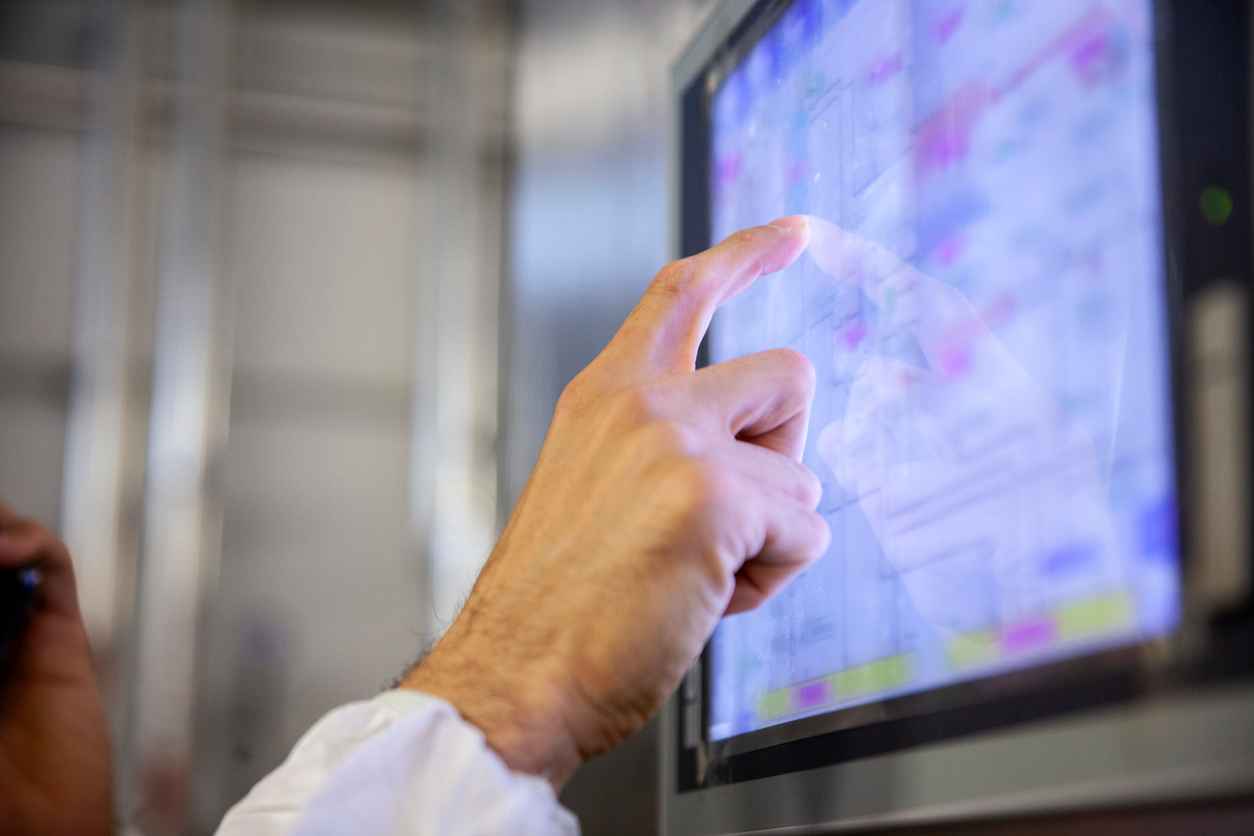
How Does VacuBond® Technology Compare to Traditional Optical Bonding?
April 29, 2026
In high-performance display applications, clarity, durability, and reliability are essential. One of the most effective ways to enhance these qualities is through optical bonding, a process that eliminates the air gap between a display and its cover glass.
But not all optical bonding methods are the same. Fortec’s VacuBond® technology takes this process a step further, offering improved consistency and performance compared to traditional bonding techniques. So, how do they compare?
A Quick Overview of Optical Bonding
Traditional optical bonding involves applying a transparent adhesive, either liquid or film, between the display and the cover glass. This reduces reflections, improves contrast, and protects the display from environmental factors like dust and moisture.
While effective, conventional methods can sometimes lead to inconsistencies, such as trapped air bubbles or uneven bonding, which may affect long-term performance.
What Is VacuBond® Technology?
VacuBond® is Fortec’s advanced optical bonding process that takes place in a controlled vacuum environment. By eliminating air during bonding, VacuBond® ensures a defect-free connection between layers.
The result is a more precise, reliable, and high-quality bonded display solution.
Key Differences Between VacuBond® and Traditional Optical Bonding
1. Air Bubble Elimination
Traditional bonding methods can occasionally trap air or create microbubbles, especially in larger displays or complex designs. VacuBond® technology eliminates this risk by performing the bonding process in a vacuum, ensuring zero optical defects and a clear finish.
2. Optical Performance
Both methods improve visibility, but VacuBond® provides superior results. By ensuring a flawless bond, VacuBond® enhances:
- Contrast and color accuracy
- Light transmission
- Overall display clarity
This makes it especially valuable for applications where visual precision is critical.
3. Reliability and Durability
Traditional bonding improves durability, but VacuBond® offers an added level of reliability. The defect-free bonding process results in:
- Stronger adhesion between layers
- Reduced risk of delamination over time
- Better resistance to environmental stress
This is particularly important for industrial, medical, and outdoor applications.
4. Performance in Harsh Environments
Displays used in demanding conditions must withstand temperature changes, humidity, and mechanical stress. While both methods help protect against moisture and contaminants, VacuBond® provides enhanced protection by eliminating internal air gaps that can lead to condensation or degradation.
5. Consistency and Quality Control
Traditional optical bonding can vary depending on the process and materials used. VacuBond®’s controlled vacuum process ensures consistent, repeatable quality, making it ideal for projects that require precision across multiple units or production runs.
Partner with Fortec US for Advanced Display Solutions
At Fortec US, we specialize in high-performance display technologies, including advanced optical bonding solutions like VacuBond®. Our team works closely with you to determine the best approach for your application, ensuring optimal results from design to deployment.
Want to learn more about VacuBond® technology and how it can enhance your displays? Contact Fortec US today.
What Is an Embedded System?
August 7, 2026
Top Five Benefits of Optical Bonding
August 5, 2026

Common Display Challenges in Industrial Environments
July 31, 2026

Why Multi-Factor Authentication Matters More Than Ever
July 2, 2026
When to Use 3D Printing in Industrial Product Design
July 2, 2026
How 4K Digital Microscopy Improves Display Quality Control
July 2, 2026