
Back to Blog
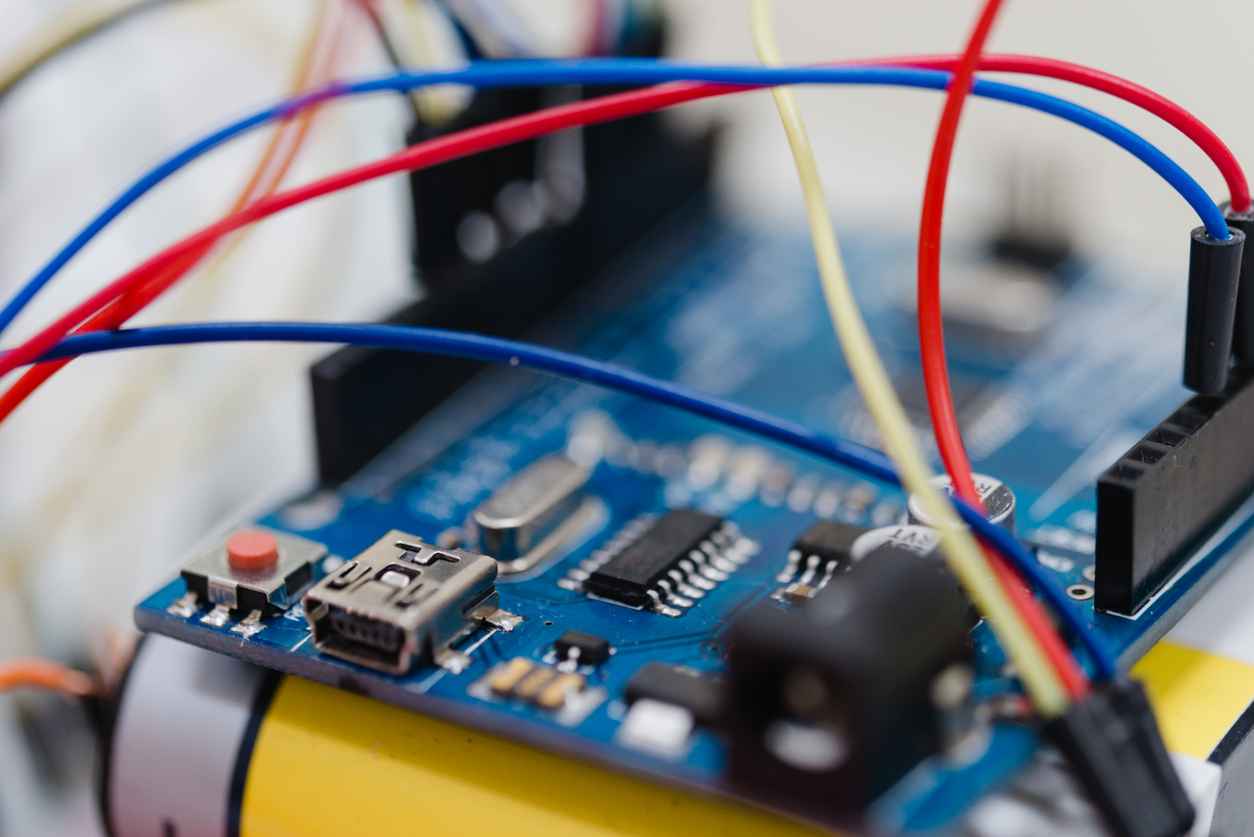
What Is an Embedded System?
August 7, 2026
The Basics of Embedded Systems Explained
Embedded systems are all around us, powering everything from industrial machinery and medical devices to transportation systems and smart kiosks. While they often operate behind the scenes, these specialized computing systems play a critical role in keeping modern technology running efficiently and reliably.
But what exactly is an embedded system, and why are they so important?
What Is an Embedded System?
An embedded system is a computer designed to perform a specific function within a larger device or system. Unlike a traditional desktop or laptop computer, which can run a wide variety of programs, an embedded system is purpose-built for a dedicated task.
These systems combine hardware and software to deliver reliable, efficient performance for a particular application. Depending on the project, an embedded system may include a processor, memory, storage, input/output interfaces, and an operating system or firmware.
Where Are Embedded Systems Used?
Embedded systems are found in nearly every industry. Common applications include:
- Industrial automation equipment
- Medical devices and patient monitoring systems
- Transportation and railway systems
- Digital signage and kiosks
- Smart manufacturing equipment
- Retail and point-of-sale systems
- Building automation and security systems
- Internet of Things (IoT) devices
Many of these applications require systems that operate continuously, often in demanding environments where reliability is essential.
What Makes Industrial Embedded Systems Different?
Industrial embedded systems are designed to withstand conditions that standard consumer computers are not built to handle.
Features often include:
- Long-term product availability
- Support for 24/7 operation
- Extended operating temperature ranges
- Resistance to vibration and shock
- Reliable performance in harsh environments
- Product Change Notification (PCN) and End-of-Life (EOL) management
These characteristics help ensure stable performance throughout a product’s lifecycle while minimizing downtime and costly redesigns.
Why Embedded Systems Matter
Embedded systems help organizations improve efficiency, automate processes, and collect valuable data in real time. Because they are optimized for specific tasks, they often consume less power, require less maintenance, and deliver dependable performance over many years.
As technologies such as Industry 4.0, artificial intelligence, and IoT continue to evolve, embedded systems are becoming increasingly important in supporting connected devices and intelligent automation.
Partner with Fortec US For Embedded Systems Solutions
Fortec US provides a wide range of embedded solutions engineered for industrial, medical, transportation, and IoT applications. Our portfolio includes industrial PCs, embedded box PCs, single board computers, computer-on-modules, embedded motherboards, and customized embedded systems designed to meet demanding performance requirements.
From system selection and integration to long-term product support, our team works closely with customers to develop dependable solutions that help reduce development time and support long-term success.
Contact Fortec US today to learn how our embedded solutions can support your next project.
Top Five Benefits of Optical Bonding
August 5, 2026

Common Display Challenges in Industrial Environments
July 31, 2026

Why Multi-Factor Authentication Matters More Than Ever
July 2, 2026
When to Use 3D Printing in Industrial Product Design
July 2, 2026
How 4K Digital Microscopy Improves Display Quality Control
July 2, 2026

How Energy-Efficient Display Technology Reduces Industrial Power Consumption
June 8, 2026