
Back to Blog
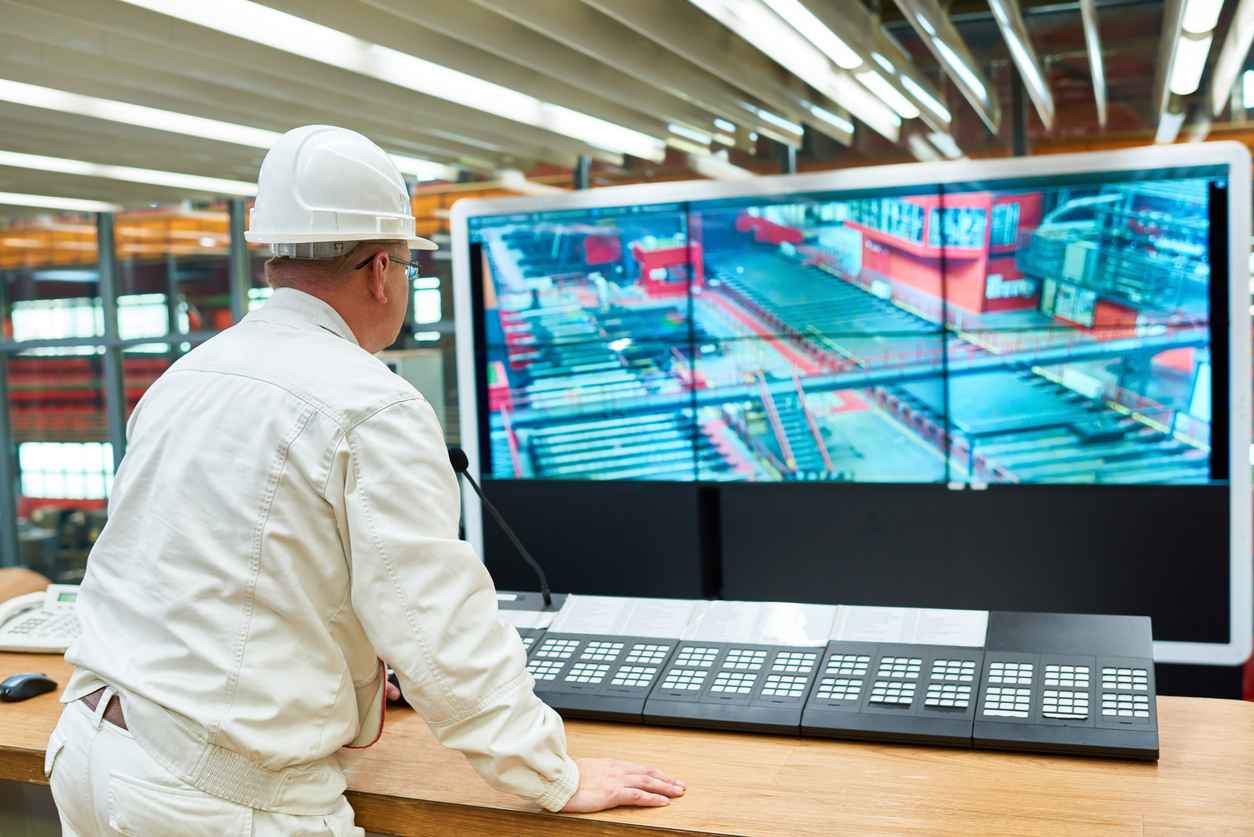
How Industrial Monitors Differ from Consumer Displays
April 2, 2026
Industrial Monitors vs. Consumer Displays: What’s the Difference?
When selecting a display for your application, it’s important to understand that not all monitors are created equal. While consumer displays are designed for everyday use, industrial monitors are engineered to perform reliably in demanding environments where durability, longevity, and consistent performance are critical.
Below, we break down the key differences between industrial monitors and consumer displays and why choosing the right one matters.
Built for Harsh Environments
Consumer displays are typically used in controlled environments, such as homes and offices. Industrial monitors, on the other hand, are designed to withstand extreme conditions, including:
- Wide temperature ranges
- Dust, moisture, and vibration
- Exposure to chemicals or outdoor elements
This makes them ideal for industries such as manufacturing, transportation, medical technology, and automation.
Longer Lifecycles and Availability
One of the biggest challenges in industrial applications is product longevity. Consumer displays often have short life cycles, with models changing frequently. Industrial monitors are designed with long-term availability in mind, ensuring:
- Consistent supply over several years
- Reduced need for redesigns
- Easier maintenance and replacement
This stability is essential for systems that are expected to operate for long periods without interruption.
Enhanced Reliability and Performance
Industrial monitors are built for continuous operation, often running 24/7 without performance degradation. Compared to consumer displays, they offer:
- Higher-quality components
- Greater resistance to wear and tear
- Improved thermal management
This results in dependable performance even in mission-critical environments.
Customization Capabilities
Consumer displays are mass-produced with fixed specifications. Industrial monitors, however, can be customized to meet specific application requirements, including:
- Touchscreen integration (PCAP or resistive)
- Optical bonding for improved visibility and durability
- Custom housings for protection and mounting
- Interface compatibility with specialized systems
This flexibility allows businesses to create solutions tailored to their exact needs.
Superior Visibility and Readability
Industrial environments often present visibility challenges, including bright sunlight and low-light conditions. Industrial monitors are designed to address these issues with features like:
- High brightness levels
- Anti-glare coatings
- Wide viewing angles
- Optical bonding to reduce reflections
These enhancements ensure clear, readable displays in any setting.
Rugged Design and Compliance
Industrial monitors often meet strict industry standards and certifications, ensuring they are safe and reliable for specialized applications. They may include:
- Shock and vibration resistance
- Sealed enclosures
- Compliance with medical, transportation, or industrial regulations
Consumer displays generally do not meet these rigorous requirements.
Total Cost of Ownership
While industrial monitors may have a higher upfront cost, they often deliver greater long-term value by:
- Reducing downtime
- Minimizing replacement frequency
- Lowering maintenance costs
In contrast, consumer displays may require frequent replacement or fail under demanding conditions, leading to higher overall costs.
Choose the Right Display for Your Application With Fortec US
At Fortec US, we specialize in high-performance industrial display solutions designed to meet the unique requirements of your application. From customization to long-term support, our team is here to help you find the right display for your needs.
Looking for a display solution built to last? Contact Fortec US to learn more about our industrial monitor offerings.

Integrating Touchscreens into Harsh Environments: Tips and Best Practices
April 7, 2026

Which Industries Benefit Most from Optical Bonding?
April 6, 2026
What Is a TFT Display? A Beginner’s Guide
March 6, 2026
How to Plan for Component Obsolescence Before It Becomes a Problem
March 5, 2026

Why Optical Bonding Matters in High-Reliability Displays
March 2, 2026

How Display Technology Strengthens Human-Machine Interaction
February 7, 2026