
Back to Blog
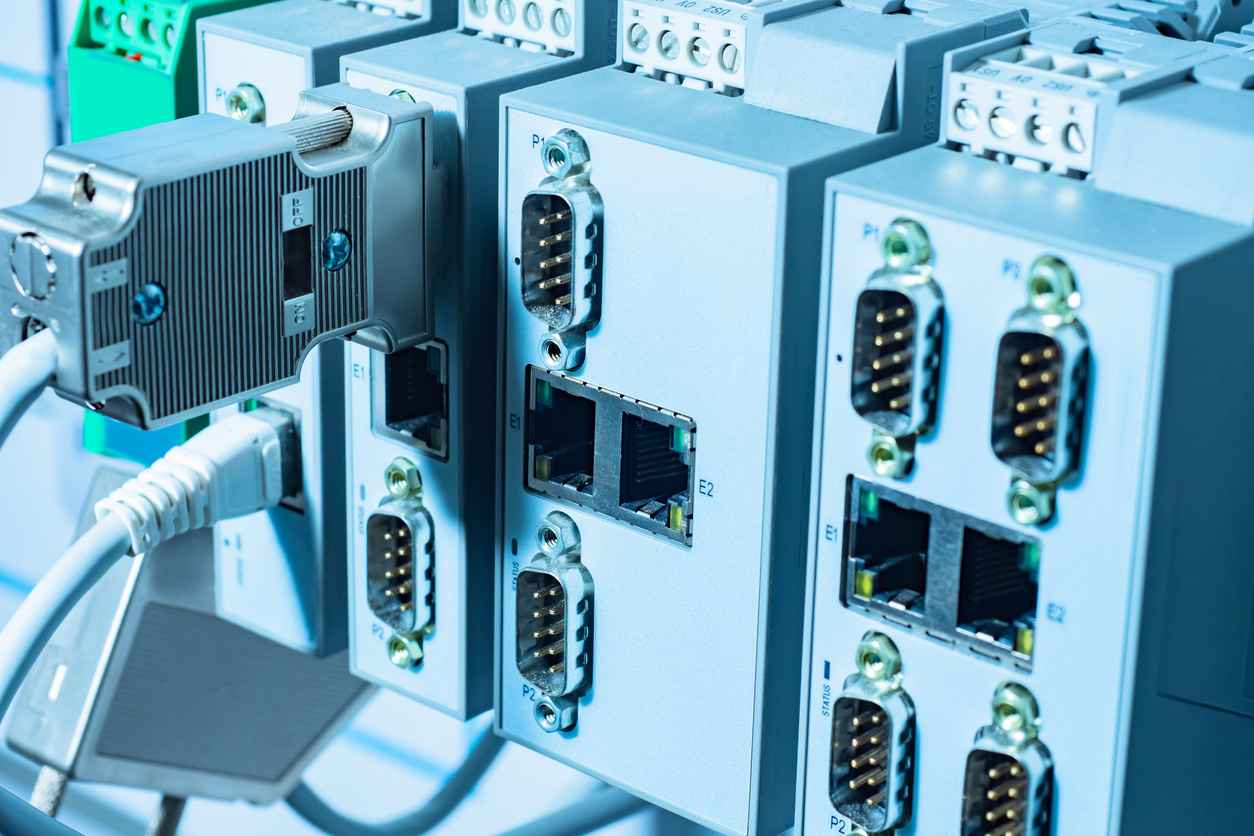
Embedded PCs vs. Consumer PCs: What’s the Difference?
August 31, 2026
Choosing Between an Embedded PC and Consumer PC for Your System
At first glance, an embedded PC and a consumer PC serve the same basic purpose: running software and processing data. However, the environments and applications they are designed for can be very different.
For industrial equipment, automation systems, medical technology, kiosks, and other specialized applications, choosing between an embedded PC and a consumer computer can significantly affect reliability, integration, maintenance, and product lifespan.
So, what makes an embedded PC different from a consumer PC?
Built for Different Environments
Consumer PCs are generally designed for homes, offices, and other relatively controlled environments. Embedded PCs, on the other hand, are often designed to operate as part of a larger machine or system.
Industrial applications may expose computing hardware to:
- Temperature fluctuations
- Dust and moisture
- Shock and vibration
- Continuous operation
- Limited installation space
- Electrical interference
Embedded PCs can be specifically configured to meet these environmental requirements, making them better suited for applications where standard consumer hardware may not be appropriate.
Designed for Long-Term Operation
One of the biggest differences is the expected product lifecycle. Consumer computers typically have relatively short product cycles. New processors, platforms, and models are introduced frequently. For a consumer, replacing a computer every few years may be manageable.
Industrial equipment can have a much longer lifespan. A company may need a computing platform to remain available for many years because redesigning the system around a new computer can require additional engineering, testing, and certification. Industrial embedded systems are therefore often supported by defined Product Change Notification (PCN) and End-of-Life (EOL) processes, helping businesses plan for component changes and product transitions.
Reliability for 24/7 Applications
Many industrial systems are expected to operate continuously. A manufacturing machine, an automated inspection system, a digital signage installation, or a medical device may need to run around the clock. Embedded PCs can be designed specifically for these demanding operating schedules.
Depending on the system, features may include:
- Industrial-grade components
- Extended operating temperature ranges
- Fanless designs
- Shock and vibration resistance
- Robust mounting options
- Long-term component availability
These characteristics can help reduce unexpected downtime and maintenance requirements.
Thermal Management Matters
Heat is an important consideration in embedded system design. Consumer PCs commonly rely on active cooling with fans. While this can be effective, fans introduce moving components that may require maintenance and can draw dust into a system.
Depending on the application, embedded systems can use fanless or thermally optimized designs to reduce moving parts and support reliable operation in environments with limited maintenance access. Thermal design should always be evaluated based on the processor, workload, enclosure, ambient temperature, and installation environment.
Embedded PCs Can Be Customized Around the Application
Another important difference is the level of customization available. Industrial applications may require a specific processor, memory configuration, storage solution, operating system, connectivity options, or mounting method.
An embedded computing solution can be configured around these requirements rather than forcing the entire product design to accommodate a general-purpose consumer computer. This is especially valuable when developing equipment that will be manufactured and supported over many years.
What About Cost?
Consumer PCs often appear less expensive at the initial point of purchase. However, comparing purchase prices alone doesn’t provide the full picture for an industrial application.
The total cost can also include: Integration + testing + maintenance + downtime + redesign + replacement
An embedded PC may have a higher initial cost but offer advantages in reliability, lifecycle availability, integration, and application-specific performance. For industrial applications, these factors can make an embedded system a more cost-effective choice over the product’s life cycle.
Which One Should You Choose?
The right solution depends on your application. A consumer PC may be perfectly suitable for general office computing, home use, or other controlled environments. But if your system needs to operate continuously, withstand challenging conditions, integrate with industrial equipment, or remain available for years, an embedded PC may be a better fit.
Before selecting hardware, consider:
- Where will the system operate?
- How long must the system remain in production?
- Will it run 24/7?
- What temperature range must it support?
- What interfaces are required?
- How much space is available?
- Does the system need specialized mounting?
- What are the application’s security and connectivity requirements?
- How important is long-term hardware availability?
Fortec US Embedded Computing Solutions
Fortec US provides embedded computing solutions for industrial applications, including Embedded Box PCs, industrial PCs, single-board computers, motherboards, Computer-on-Modules, IoT gateways, and customized embedded systems.
We help customers select and configure computing platforms based on their application requirements, including performance, environmental conditions, connectivity, and long-term availability.
From individual embedded components to complete system solutions, Fortec US supports projects from technology selection through integration and production. Looking for the right embedded computing solution for your application? Contact Fortec US to discuss your requirements.

How Hover Touch Technology Can Improve Industrial Interfaces
August 31, 2026
The Real Cost of Choosing the Wrong Display for an Industrial Product
August 28, 2026

What to Look for in a Long-Term Industrial Technology Partner
August 24, 2026
What Is an Embedded System?
August 7, 2026
Top Five Benefits of Optical Bonding
August 5, 2026

Common Display Challenges in Industrial Environments
July 31, 2026