Back to News Feed

Where Are FORTEC Displays Used? Five Projects From Construction Machines to an Airport
February 4, 2015
FORTEC displays are used wherever a standard screen would fail the conditions: in construction machinery, at airport stations, in retail and in public exhibitions. The five projects below come from FORTEC US and our sister companies in the FORTEC Group. Some of the panels they used are now discontinued, but the engineering decisions behind each one still apply to new designs.
How do you make a display survive a construction vehicle?
By optically bonding the touchscreen to the panel and sealing out dirt. For a large German construction machinery manufacturer, the Group built operating and control displays that had to resist shock and vibration, stay readable in every condition, never fog or condense between the LCD and the touch, and keep dirt out. The design paired a 7-inch TFT display rated -30 to +85°C with a custom glass/glass touchscreen and a specially matched LCD polarizer, optically bonded to the screen. The bond and the polarizer together increased sunlight readability, reduced internal reflections and the influence of stray light, and prevented dirt ingress. That panel, the G070Y2-L01, has since been discontinued. Our guide on how to design a display for harsh environments covers the same decisions for a new design, and our optical bonding page explains the process.
How did we replace LED signs at San Francisco Airport?
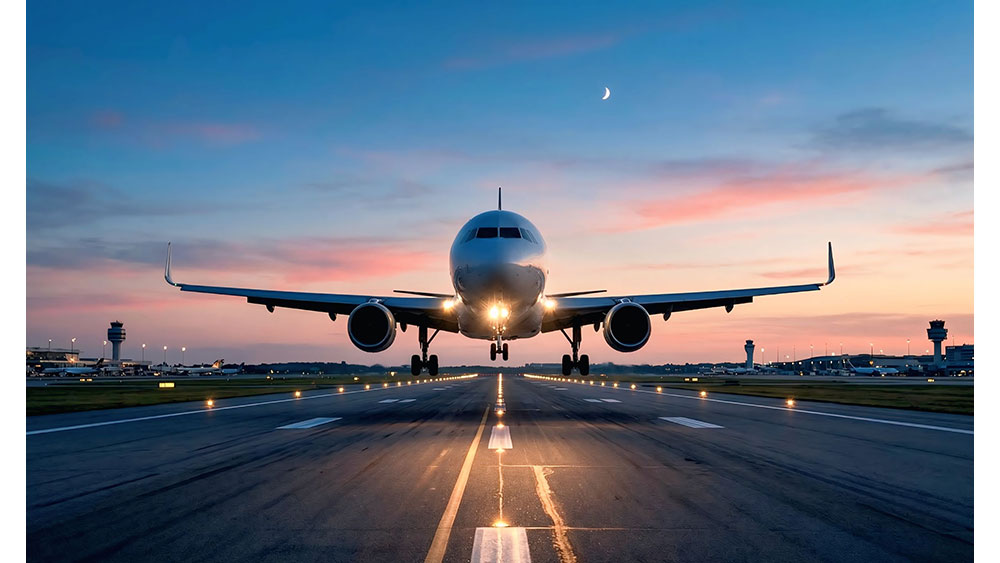
With custom high-bright monitors that spoke the old signs’ serial protocol. At the airport’s railway stations, red LED scrolling signs that could only show short monochrome text were to be replaced with modern TFT monitors, but the customer wanted to keep the serial communication protocol that fed them. Our solution was a custom 46-inch POS-Line monitor, made in Germany at the Group’s Eisenach site: a high-bright TFT display that stays readable in direct sunlight, a waterproof housing against rain and fog, and a VideoPoster-III controller with custom firmware that processes the existing serial protocol. Travelers got comprehensive information and video playback in place of scrolling text. More on this kind of work is on our transportation page.
Can a transparent display be used as a door?
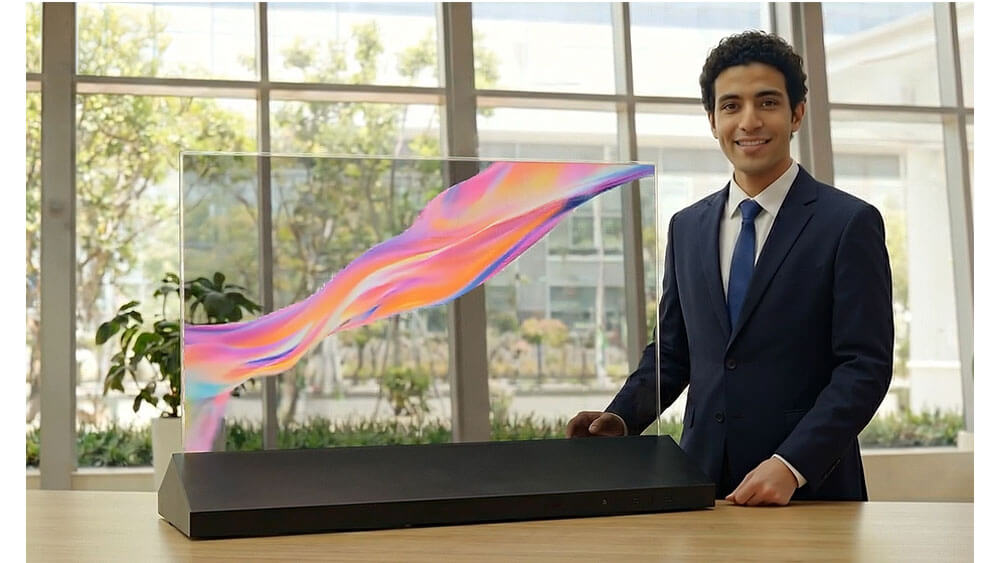
Yes, once it is protected with bonded glass. A self-service restaurant concept let diners order at a terminal or by smartphone and collect their meal from a wall of boxes, loaded by staff from the rear. The front flap of each box was a transparent TFT cell showing the customer’s name, advertising or other information while the meal stayed visible behind it. The 21.5-inch transparent display chosen, the LM215WF3-SLK1, now discontinued, was not robust enough to serve as a pick-up door on its own, so the Group used VacuBond® optical bonding to add protective glass to both sides of the cell. The finished unit showed a brilliant image, resisted scratches and was easy to clean. Other sizes are on our transparent TFT displays page, and applications of transparent displays in various industries covers more uses.
How does a mirror touch display work in retail?
It looks like a silver mirror when the monitor is off and becomes transparent when the monitor lights up, revealing a touchscreen interface. FORTEC UK built one as a point-of-sale unit for a UK high-street optician, where customers photograph themselves wearing different frames and share the pictures for opinions. It combined a slim 42-inch POS-Line monitor, with high brightness, 1920 × 1080 resolution and a wide viewing angle, with a 42-inch projected capacitive touch sensor applied to mirror-finished toughened glass and supporting up to 40 touch points. Our post on how a display can blend into a product or a space covers mirror and hidden displays today.
What does a long-running video installation need?
A monitor that plays content in an endless loop with no PC attached. For the 2019 exhibition Better Nature at the Vitra Design Museum, FORTEC Integrated provided artist Alexandra Daisy Ginsberg with twelve 42-inch POS-Line VideoPoster monitors for her work The Wilding of Mars, a simulation running over several hours. The integrated VideoPoster-IV controller played the videos from USB in a loop, with updates possible over LAN, and full HD resolution at 700 cd/m² gave visitors a detailed picture. The monitors then traveled with the artist to exhibitions around the world. Current models are in our POS-Line modular monitors series.
What do these projects have in common?
Each started from where the display had to work, not from a catalog page. These are examples, not limits: we design display assemblies into whatever context a product requires, and the Group gives us both deep customization on one design and the capacity to scale it into volume.
Tell us where your display has to work, and we will take it from there. We recommend the right combination of display, computer and power, handle the integration and the sourcing, and stay with the project from first samples to series production. Contact FORTEC US.