
What Is a TFT Display Kit, and When Does It Save OEM Integration Time?
August 19, 2019
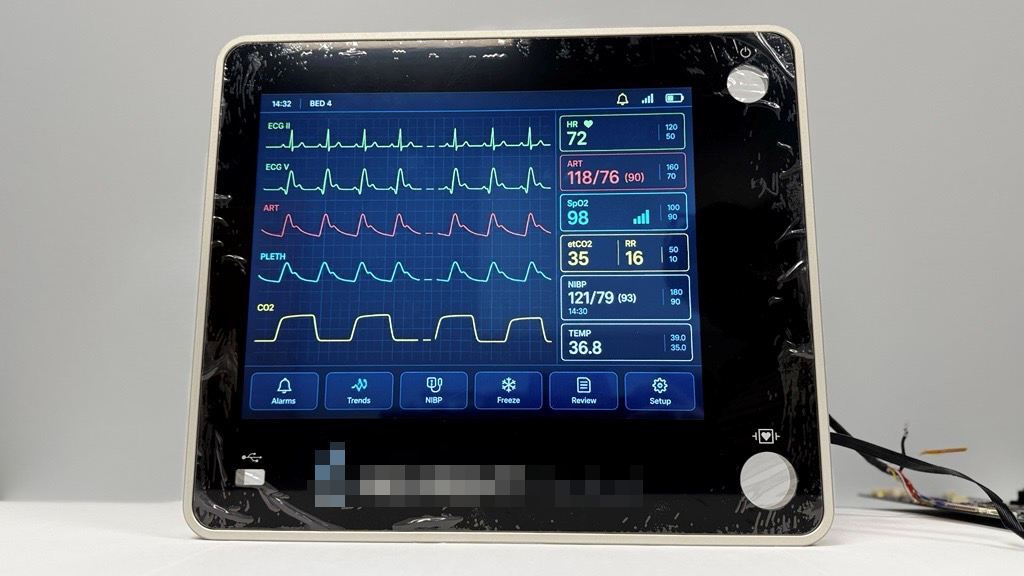
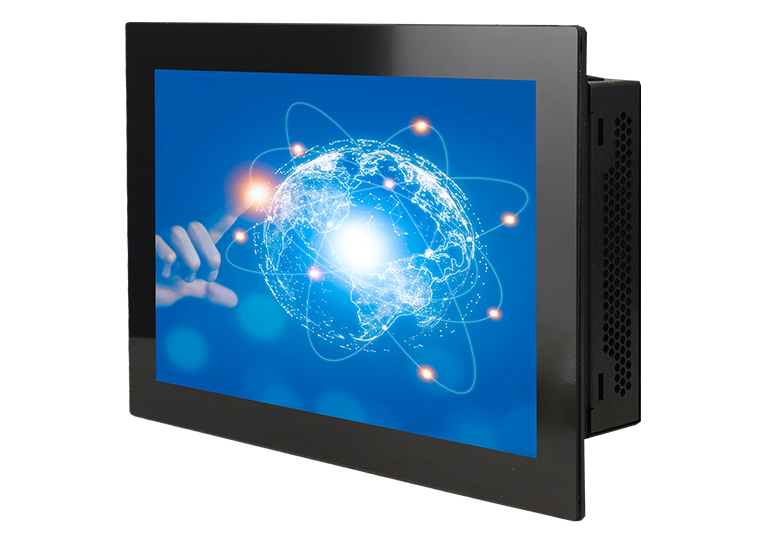
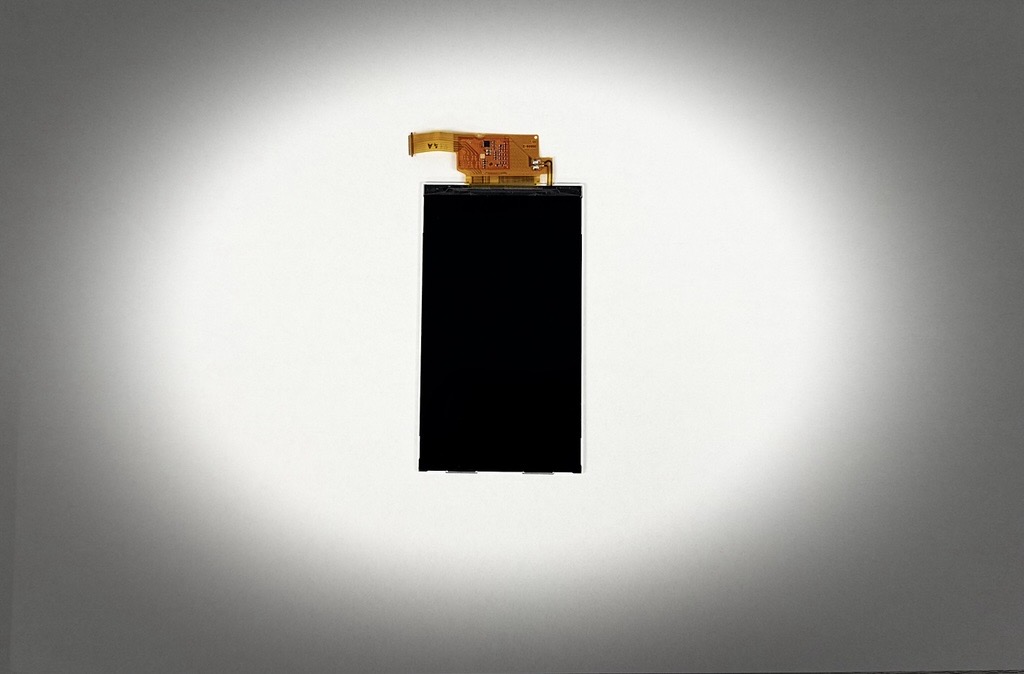
A TFT display kit is a panel supplied together with a controller board already configured to that panel and all the cables it needs, tested as a set, so the OEM connects it to a video source and puts it into operation. It saves integration time whenever the work of matching a controller to a panel (timing, power sequencing, backlight control) would otherwise fall to the customer’s engineers. We supply display kits from Ronkonkoma, New York, built around our own controllers and the panels in our range, and we configure each kit before it ships.
What goes into a display kit?
Three things, chosen to work together: the panel, the controller, and every cable between them, with a power supply as an option. The controller is the part that makes it plug-and-play. It can be one of our Prisma video controllers, which turns HDMI, DisplayPort, DVI or VGA into the panel’s own interface; a Raspberry Pi based Artista board that runs the application itself; or an x86 single-board computer. Matching temperature ranges matters too: a kit is only as rugged as its weakest part, so we pair wide-temperature panels with controllers specified for the same range.
What does a current kit look like?
Two kits show the range, one for harsh outdoor conditions and one for general industrial use:
- 15.6-inch outdoor kit: the AUO G156HAN04.1 full HD panel with the PrismaMediaECO-II controller. The panel runs from -30 to +85°C (-22 to +185°F) with 1500 cd/m² brightness and an 89° viewing angle in all directions, for industrial, transportation and outdoor equipment. An optional brightness sensor lets the controller dim the display under cloud or at night, so it stays readable without dazzling the user. LVDS timing, power sequencing and OSD settings are configured in MStarRover and reused for every unit.
- 18.5-inch wide-temperature kit: the AUO G185HAN01.0 full HD panel with our Prisma-IIIA VGA/DVI/video controller. Both are specified for -20 to +70°C, the panel has a 178°/178° viewing angle and an integrated backlight converter, and the Prisma-IIIA has a modern EMC design.
Can a kit include the computer as well?
Yes. Our x86 kit is built on the iBASE IB818 3.5-inch SBC, delivered configured with one or two TFT displays and all the cables, with Windows optionally preinstalled. The IB818 drives two independent 24-bit dual-channel LVDS displays at once, which suits equipment that shows content on two sides, such as fuel dispensers or information displays in buses and trains. It is fanless and available in versions for -40 to +85°C, with AUO and Tianma displays from 7 to 24 inches, with or without PCAP touch. The same kit idea extends to UHD: our Prisma-4K-Advanced controller has a temperature sensor and was paired with a 65-inch, 2000 cd/m² outdoor panel, switching the backlight on one minute early below -20°C to warm the panel, and halving brightness and raising a fan signal from 50°C case temperature so the system stays below 60°C.
What happens when a kit’s panel is discontinued?
We plan the change with the customer through our obsolescence management: a last-time buy to cover the remaining builds, or a compatible replacement qualified before supply runs out. Several kits we announced are now end-of-life: the 7-inch, 1200 x 1920 MIPI kit with the PrismaMIPI-HDMI, the 46-inch, 1500 cd/m² kit with the PrismaMEDIA-eco, and the 65-inch outdoor panel above. For the 46-inch kit’s controller, the named successor is the PrismaMediaECO-II, which is 100% backward compatible with the PrismaMEDIA-eco.
Our controllers are developed by FORTEC Integrated (formerly Distec), our sister company in Germering, Germany, within the FORTEC Group. For the full controller range, see what a Prisma TFT controller does.
When a kit is one part of a complete device, our industrial system integration service builds the display, touch, computer, and power into one tested unit.
Tell us the size, brightness and environment your device needs, and we will take it from there. We select the panel and controller, configure and test them together, and stay with the project from first samples to series production, backed by our technical services. The kits above are examples, not limits: we build kits around whatever display the product requires.