
Back to Blog
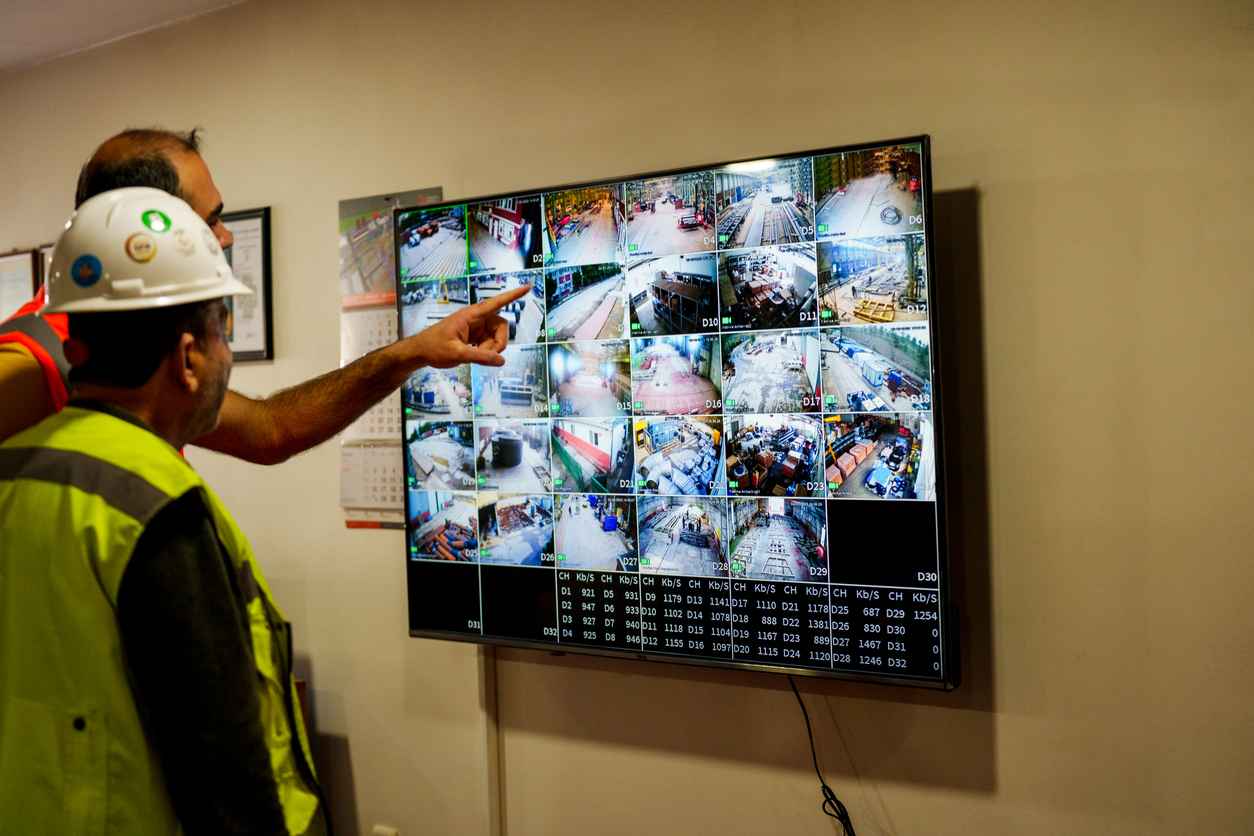
Digital Signage in Logistics and Warehousing
May 6, 2026
How Digital Signage Improves Warehouse Efficiency
In logistics and warehousing, efficiency is everything. From inventory management to order fulfillment, operations depend on clear communication, real-time data, and streamlined workflows. One technology playing an increasingly important role in achieving these goals is digital signage.
By delivering dynamic, up-to-date information exactly where it’s needed, digital signage solutions are helping logistics and warehousing operations improve accuracy, productivity, and overall performance.
Improving Real-Time Communication
Warehouses are fast-moving environments where conditions can change quickly. Digital signage enables teams to access real-time updates on inventory levels, order statuses, and workflow priorities without relying on printed materials or manual communication. This immediate access to information helps reduce delays, improve coordination, and ensure everyone is aligned with current operational needs.
Enhancing Workflow Efficiency
Digital displays can be strategically placed throughout a facility to guide employees through tasks, highlight priorities, and provide step-by-step instructions. By reducing guesswork and minimizing errors, digital signage supports smoother workflows and faster processing times, especially in high-volume environments where efficiency is critical.
Reducing Errors and Improving Accuracy
Mistakes in logistics can be costly. Digital signage helps minimize errors by clearly displaying relevant data, instructions, and alerts in real time. Whether it’s directing routes, confirming shipments, or flagging issues, visual communication ensures that employees have the right information at the right time.
Supporting Safety and Compliance
Safety is a top priority in warehouses and logistics centers. Digital signage can display safety protocols, alerts, and reminders, helping reinforce best practices and reduce the risk of accidents. In addition, it can communicate compliance updates and operational guidelines, ensuring teams stay informed and aligned with industry standards.
Adapting to Dynamic Environments
Unlike static signage, digital displays can be updated instantly to reflect changing conditions. This flexibility is particularly valuable in logistics, where demand, inventory, and workflows can shift rapidly. From peak seasons to unexpected disruptions, digital signage enables operations to adapt quickly without physical updates.
Built for Industrial Environments
Digital signage in logistics and warehousing must be designed to withstand demanding conditions. Industrial-grade displays offer the durability and reliability needed for these environments, including resistance to dust, temperature fluctuations, and continuous operation. Features such as high brightness, wide viewing angles, and optional touch functionality ensure visibility and usability across large, busy facilities.
Enabling Data-Driven Operations
Modern digital signage systems can integrate with warehouse management systems (WMS) and other platforms, providing real-time insights that support better decision-making. By turning data into clear, visual information, businesses can optimize processes, track performance, and identify opportunities for improvement.
Partner with Fortec US for Smart Display Solutions
At Fortec US, we provide industrial-grade display solutions designed for logistics and warehousing applications. From high-performance monitors to fully integrated digital signage systems, we help businesses improve visibility, efficiency, and reliability across their operations.
Looking to enhance communication and efficiency in your facility? Contact Fortec US to learn more about our digital signage solutions.
Embedded PCs vs. Consumer PCs: What’s the Difference?
August 31, 2026

How Hover Touch Technology Can Improve Industrial Interfaces
August 31, 2026

The Real Cost of Choosing the Wrong Display for an Industrial Product
August 28, 2026

What to Look for in a Long-Term Industrial Technology Partner
August 24, 2026
What Is an Embedded System?
August 7, 2026

Top Five Benefits of Optical Bonding
August 5, 2026