
Back to Blog
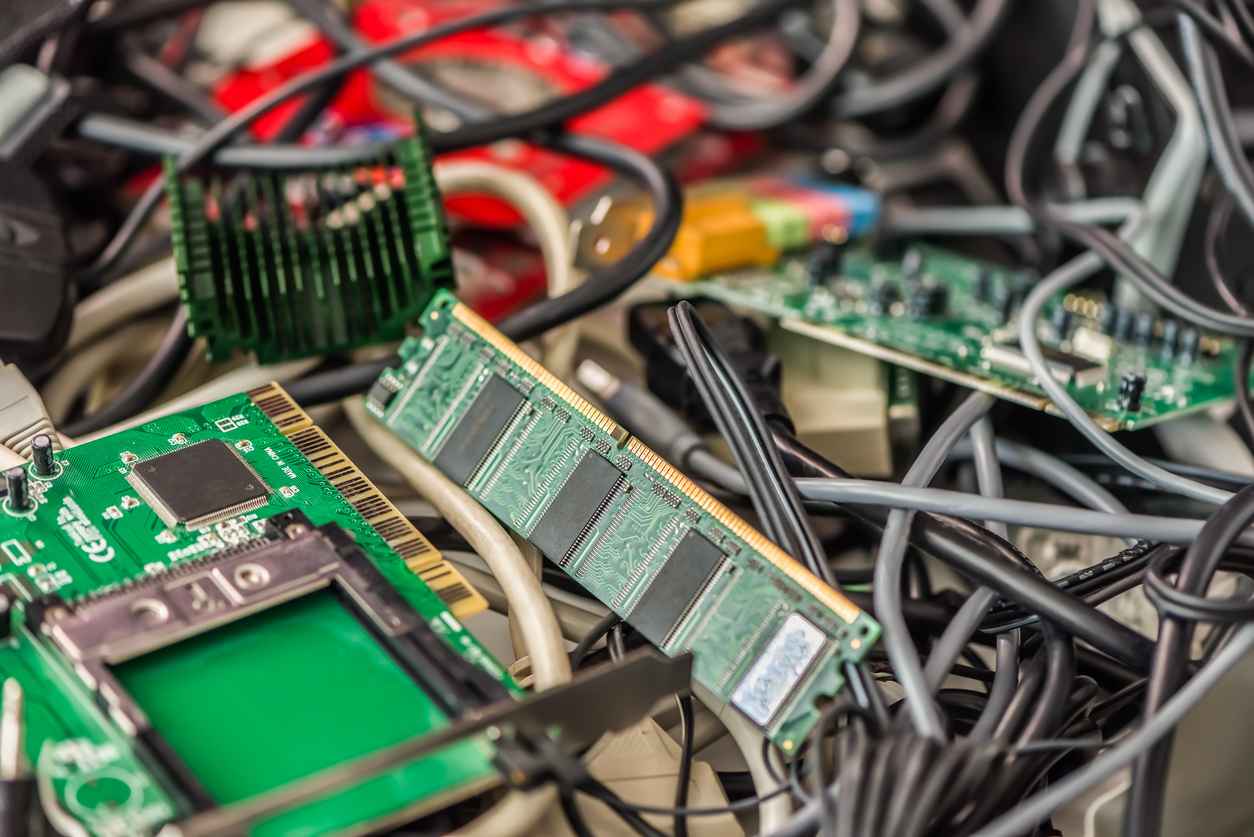
How to Plan for Component Obsolescence Before It Becomes a Problem
March 5, 2026
In today’s fast-moving technology landscape, components can become obsolete faster than ever. Whether it’s a microprocessor, display panel, or power supply, relying on outdated parts can disrupt production, increase costs, and compromise the reliability of your systems. For companies in industrial automation, medical devices, digital signage, or embedded systems, proactive obsolescence management is critical to maintaining operational efficiency and long-term project stability.
Why Component Obsolescence Matters
Obsolescence occurs when a component is no longer manufactured, supported, or compatible with current technologies. Even a single discontinued part can halt production lines, delay product launches, and lead to costly redesigns. Beyond immediate disruptions, failing to address obsolescence can impact system reliability, compliance with industry standards, and long-term customer satisfaction.
Key Steps to Mitigate Obsolescence Risks
1. Inventory Awareness
Maintaining an up-to-date inventory of critical components is the first step. Track part numbers, suppliers, and lifecycle status to identify components at risk of obsolescence before they become urgent.
2. Partner with Experts
Working with experienced suppliers like FORTEC US helps you access insights about component lifecycles, alternative parts, and long-term availability. Experienced partners can provide guidance on compatible replacements or complete upgrade paths.
3. Plan for Alternatives Early
Identify potential substitutes for at-risk components. This may involve sourcing equivalent parts from multiple suppliers, considering updated versions, or designing your system with flexibility to accommodate future changes.
4. Lifecycle Monitoring and Forecasting
Regularly monitor component lifecycle notifications from manufacturers. Tools like obsolescence databases or supply chain alerts can give you months or even years of lead time to plan redesigns or secure additional inventory.
5. Design with Flexibility in Mind
Whenever possible, design your products to accept multiple component options. Modular systems and standard interfaces make future updates and replacements easier without requiring complete redesigns.
Medical devices raise the stakes, because a component change can mean a re-validation. Our guide to choosing an edge AI computer for a medical device covers planning for a long service life from the concept stage.
Benefits of Proactive Obsolescence Management
Planning allows companies to avoid production delays, reduce costs associated with last-minute redesigns, and maintain system performance over the long term. It also gives organizations a competitive edge by ensuring products remain reliable, upgradable, and compliant with industry standards.
FORTEC US Supports Your Obsolescence Planning
At FORTEC US, we specialize in obsolescence management and in providing display, embedded computing, and power solutions that help companies proactively manage component lifecycles. Our team works closely with clients to identify at-risk parts, source long-term alternatives, and deliver customized solutions that maintain system integrity.
Don’t wait until obsolete components disrupt your operations. Contact FORTEC US today to learn how our expertise in obsolescence management can keep your projects running smoothly and reliably.
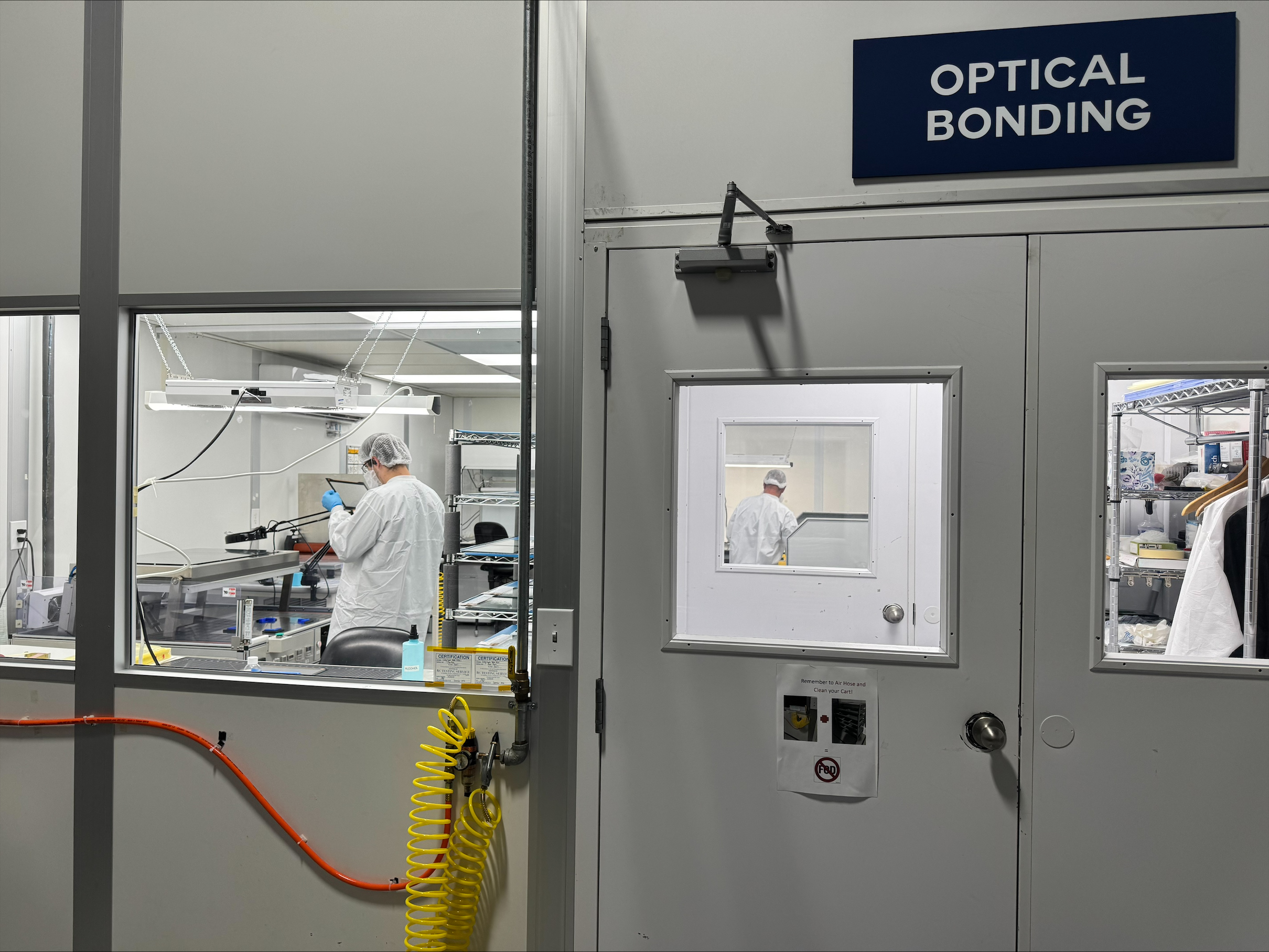
Which Optical Bonding Material Is Best: Silicone OCA, Acrylic OCA, or LOCA?
October 15, 2026
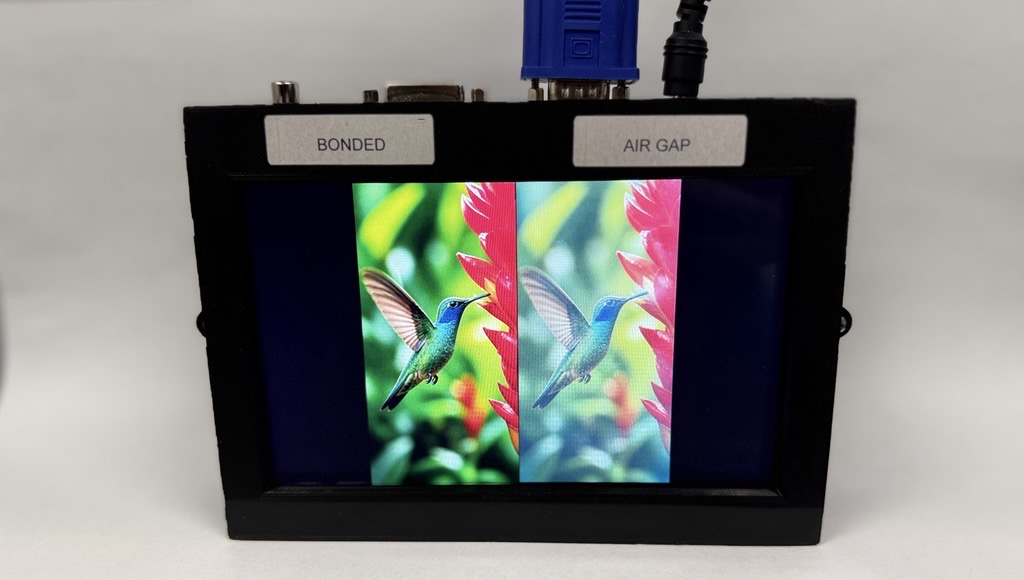
How Do You Design a Display for Harsh Environments?
October 12, 2026
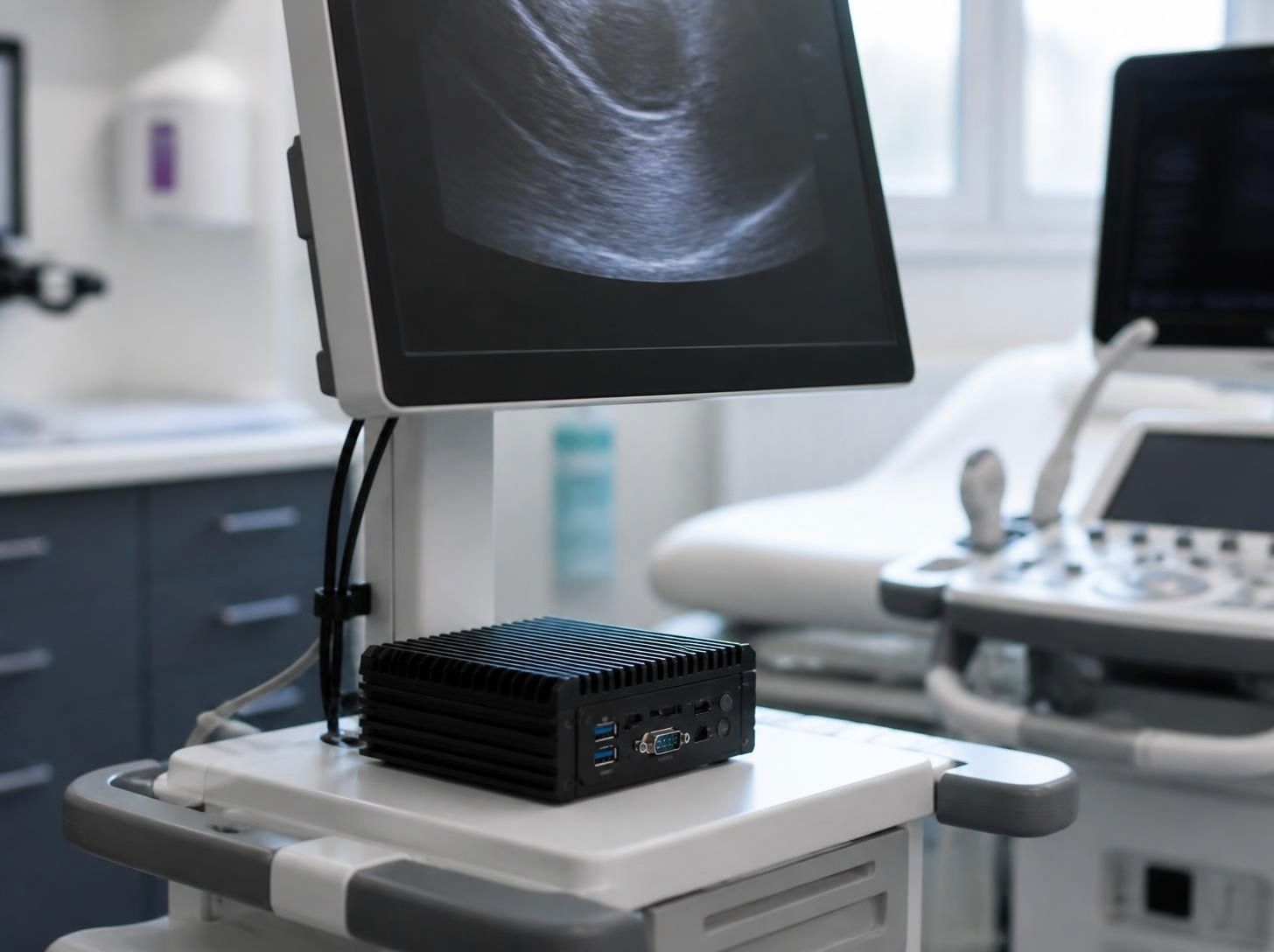
How to Choose an Edge AI Computer for a Medical Device
September 29, 2026
Embedded PCs vs. Consumer PCs: What’s the Difference?
August 31, 2026

How Hover Touch Technology Can Improve Industrial Interfaces
August 31, 2026

The Real Cost of Choosing the Wrong Display for an Industrial Product
August 28, 2026