
How Do You Configure an LED Backlight Converter for Any TFT Display?
March 24, 2015
An LED backlight converter is configured for a specific TFT display by setting its LED current, PWM frequency, minimum and maximum brightness and active LED outputs in software, then saving that configuration and loading it onto every converter in the build. Our SmartLED converters work this way, using the SmartLEDRover software. One converter type can then serve many different displays, instead of each panel model needing its own special converter. We supply and configure SmartLED converters from Ronkonkoma, New York, on their own or inside a complete display assembly.
Why does every TFT display need a different backlight driver?
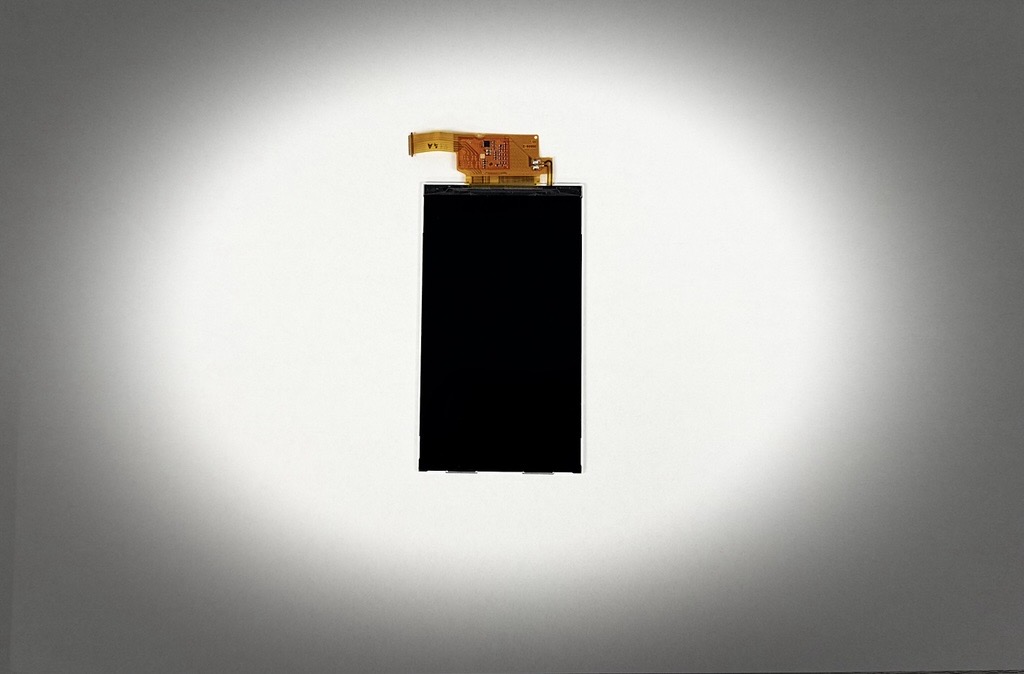
Because each panel’s LED backlight needs its own operating values for current, dimming and channel count. Traditionally that meant a dedicated converter for each TFT model, and with it the purchasing and inventory cost of stocking a different part for every display in a product line. A configurable converter removes that cost: one stock item can be set up to drive the backlights of many different displays.
What can be set with SmartLEDRover?
The parameters that decide how a backlight behaves, all stored on the converter. Each SmartLED converter is built around a 32-bit ARM processor that links all input and control signals, which is what allows this level of customization:
- LED current and PWM frequency.
- PWM settings for minimum and maximum brightness.
- Which LED outputs are active.
- An NVIS mode, for displays that carry a Night Vision Imaging System backlight alongside the LED backlight: the converter switches the display over to the NVIS backlight when needed.
A configuration created once can be saved and transferred to other SmartLED converters, which makes series production of precisely configured converters straightforward. The wide dimming range also allows brightness to be cut drastically for glare-free night operation, for example on ships or trains.
Which SmartLED converters are current?
Three converters cover the range, from two LED rails to six. All are rated -30 to +80°C (-22 to +176°F) and listed on our LED converter series page.
| Converter | Power | LED rails | Input | Output |
|---|---|---|---|---|
| SmartLED-II | 40 W | Up to 2 | 11 to 16 V | 7 to 10 V |
| SmartLED-IIIB | 17 W | Up to 4 | 10 to 28 V | 9 to 40 V |
| SmartLED-IVB | 45 W | Up to 6 | 10 to 28 V | 30 to 56 V |
The SmartLED-II suits explosion-protected areas, because its low voltage prevents air discharge arcing. The SmartLED-IIIB has a dimming range of 1:10,000 at 100 Hz. The earlier SmartLED-III and SmartLED-IV are discontinued; their named successors are the SmartLED-IIIB and SmartLED-IVB.
When does a backlight need more than a configurable converter?
When the panel maker’s own backlight cannot deliver what the application needs. Our backlight enhancement work designs the backlight to the specification: higher brightness than the manufacturer offers, a long lifetime of typically 100,000 hours, dual-mode NVIS solutions, and a configurable dimming range below 1 nit using our SmartLED drivers. Combined with a brightness sensor and our TFT controller boards, the display can also follow ambient light, saving power when full brightness is not needed.
SmartLED converters come from FORTEC Integrated (formerly Distec), our sister company in Germering, Germany, within the FORTEC Group. They pair with our Prisma controllers, covered in what a Prisma TFT controller does.
Tell us which display you are using and where it has to be readable, and we will take it from there. We choose the converter, configure it to the panel’s backlight, and stay with the project from first samples to series production, backed by our technical services.