Back to News Feed

How Does a Double-Sided 55 Inch Display Work?
March 18, 2015
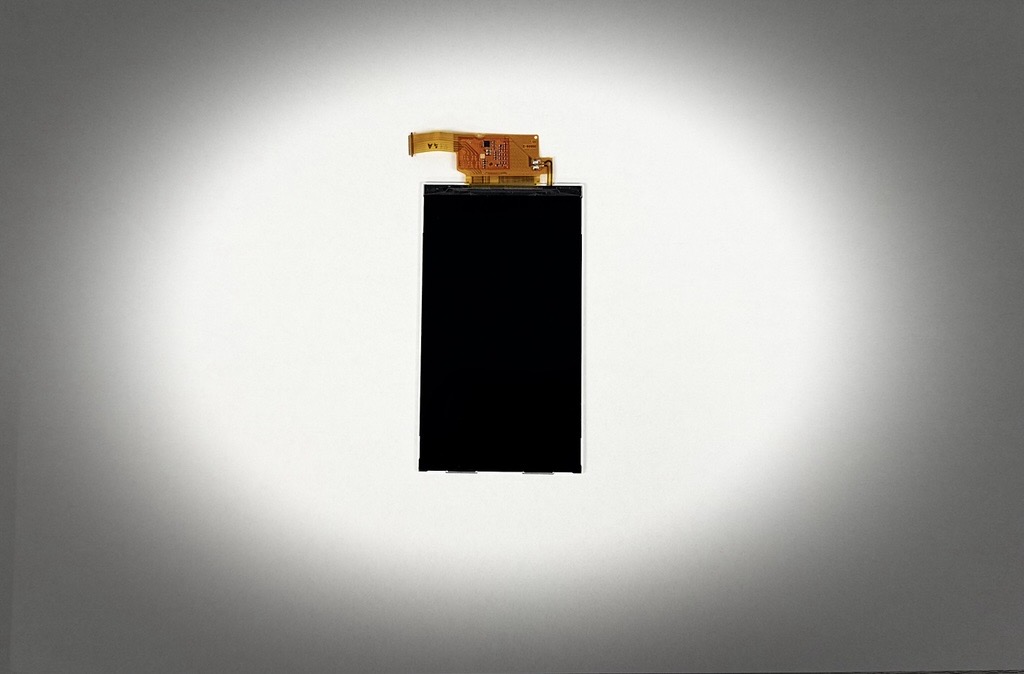
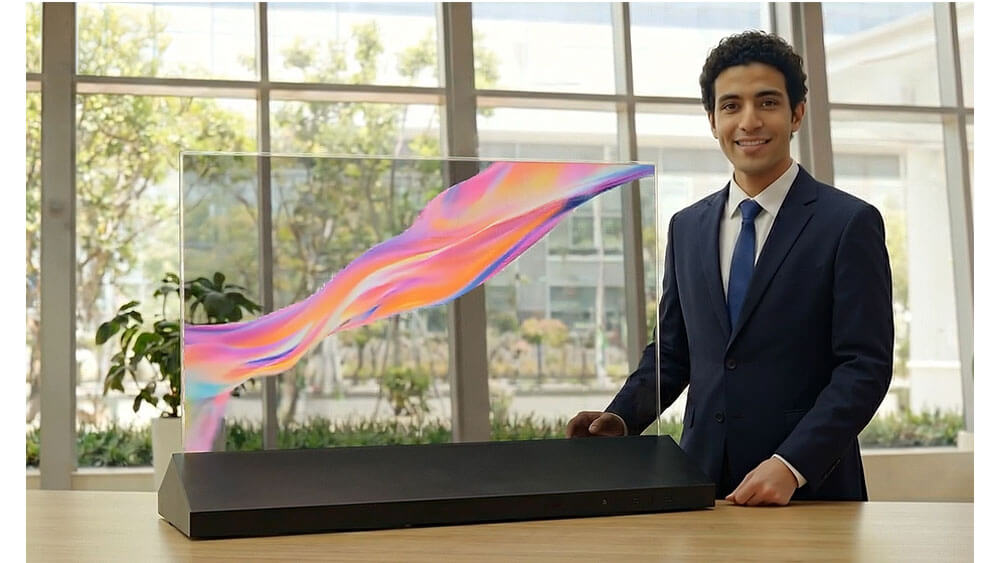
A double-sided display puts two LCD panels back to back in one housing, so the front and the rear both show an image. The best-known example in our range was AUO’s 55-inch P550HVN04.2, in which the two displays share a single LED backlight. The P550HVN04.2 is now discontinued. This page explains how the design worked, where it fitted, and what to do if a product of yours is built around it.
How is a double-sided panel built?
Two displays share one LED backlight inside one housing. Sharing the backlight kept the P550HVN04.2 just 19.6 mm thick, slimmer than most standard single-sided TFT displays of the same size. Each side could show the same content or different content, and the brightness of each side could be adjusted independently.
What were the P550HVN04.2’s specifications?
- 55-inch diagonal with Full HD resolution (1920 × 1080).
- Brightness of 700 cd/m² and a contrast ratio of 4000:1.
- A-MVA technology with a symmetrical 89° viewing angle in every direction.
- Usable in landscape or portrait orientation.
- LVDS interface.
Where does a double-sided display fit?
Wherever the screen is seen from both sides and the footprint has to stay small. The P550HVN04.2 was designed for installation in doors, pillars, and digital posters, where a small footprint is important.
How was it driven?
Through our PrismaMEDIA-eco TFT controller board, which took HDMI, DisplayPort, or VGA input and drove the panel over LVDS, with optional 2 × 5 W active stereo audio. PrismaMEDIA-eco has also been discontinued. Its current counterpart, the PrismaMediaECO-II, is 100% backward compatible with it and drives LVDS displays from VGA (640 × 480) up to WUXGA (1920 × 1200) from HDMI, DVI, DisplayPort, or VGA sources.
What if your product uses the P550HVN04.2?
Plan for it now. We do not list a direct replacement for this panel, so a product still built around it needs a decision before supply runs out: a last-time buy to cover the remaining builds, or qualifying a different display. Our obsolescence management exists for exactly that. When a part receives an end-of-life notice, we tell the customer early and plan the next step with them.
For a new design, tell us where the display has to work, and we will take it from there. We recommend the display, controller, and power together, handle the integration and the sourcing through the FORTEC Group, and stay with the project from first samples to series production.