
How Do You Get a PCAP Touch Screen With Your Own Cover Glass Design?
February 20, 2025
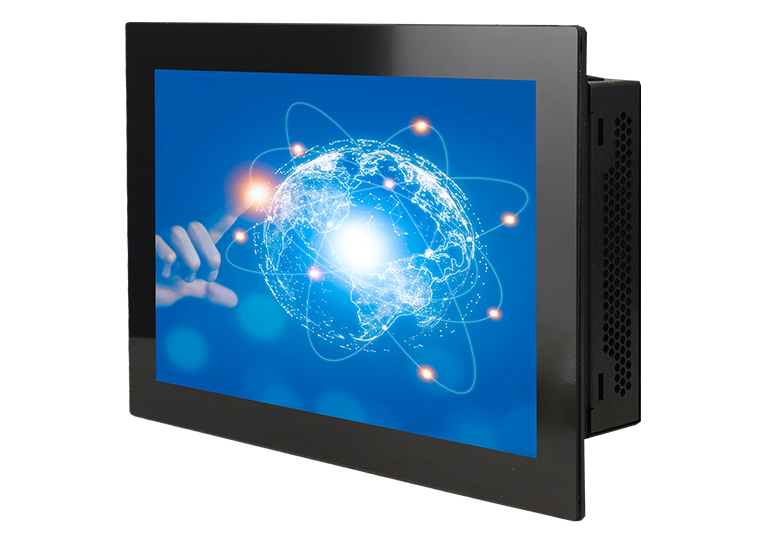
You get it by building the touch screen around the cover glass. We laminate a projected capacitive (PCAP) touch film directly onto a cover glass made to your specification, then bond the result to the display of your choice with VacuBond® optical bonding. The shape, print, and finish of the glass are yours to decide; the touch performance and the bond are ours to engineer.
What can you specify on the cover glass?
Its shape, strength, and look, set by the requirements of the end product:
- Special glass shapes and thicknesses.
- Shatterproof glass in different strengths for public areas.
- Organic or ceramic color prints in your colors, and logo prints.
- Coatings such as anti-glare, anti-reflective, or privacy filters, for example where incident light is a problem.
Why laminate a touch film instead of using a standard touch screen?
Because it removes a glass layer between the display and the cover glass. The touch solution becomes flatter and lighter, and readability improves because there is less light refraction. Our Infinite Touch Design range laminates touch films from 1.77 to 32 inches onto customized cover glass, and the wider PCAP technology range covers 1.77 to 86 inches. Other sizes are possible on a project basis.
What does optical bonding add to a custom touch screen?
A single, robust unit with the best optical results. VacuBond optical bonding joins the touch screen and the display with silicone OCA, which makes the assembly more resistant to vibration, shock, and environmental influences; the silicone works against vibrational resonance and spreads the energy of an impact sideways. VacuBond is done in-house in Ronkonkoma, New York, and there is no design too custom for it.
It also solves a problem with displays that come with a factory-integrated PCAP touch screen. These often have no bezel, so a custom front glass cannot be added with a conventional wet bonding process, which needs a dam. VacuBond is a dry process with no dam, so we can bond a custom protective glass, for example against vandalism, directly onto the PCAP surface. For how silicone OCA compares with other bonding materials, see which optical bonding material is best.
How do standard PCAP touch screens from the FORTEC Group perform?
Our standard PCAP touch screens are built for straightforward integration:
- Up to 10-finger multi-touch with gesture operation, depending on the version.
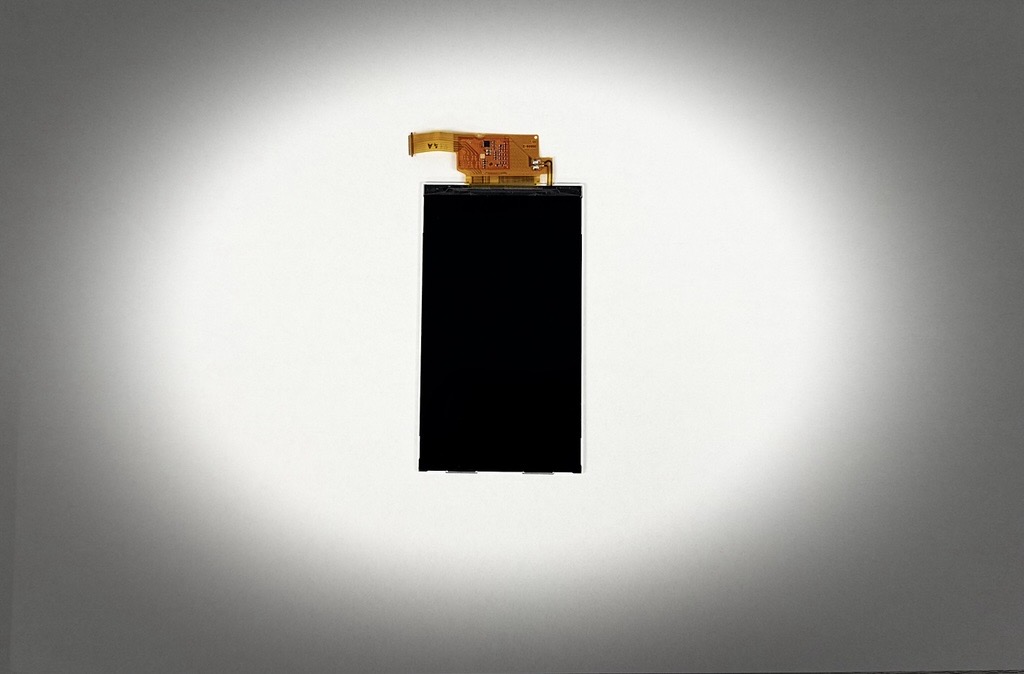
- The touch controller sits on the flex cable (chip-on-flex), which keeps the solution compact.
- An I²C interface for particularly cost-effective designs, or a USB HID interface that needs no drivers on Windows, Linux, or Android.
- Automatic calibration at start-up and whenever temperature or humidity changes, with a fast response and low power consumption.
- True-flat designs with a black or white printed border that conceals the display bezel, and adhesive strips on the rear for quick mounting on a TFT display.
They have also held up in customer EMI testing. In accredited laboratories, in customer applications, they passed immunity and emission tests to EN 61000 and EN 55011 and achieved function class A in every test: the touch screen worked correctly, including in multi-touch operation, with no false triggering and no loss of response. Operation with thin cotton gloves was also possible.
Can a touch screen have physical knobs?
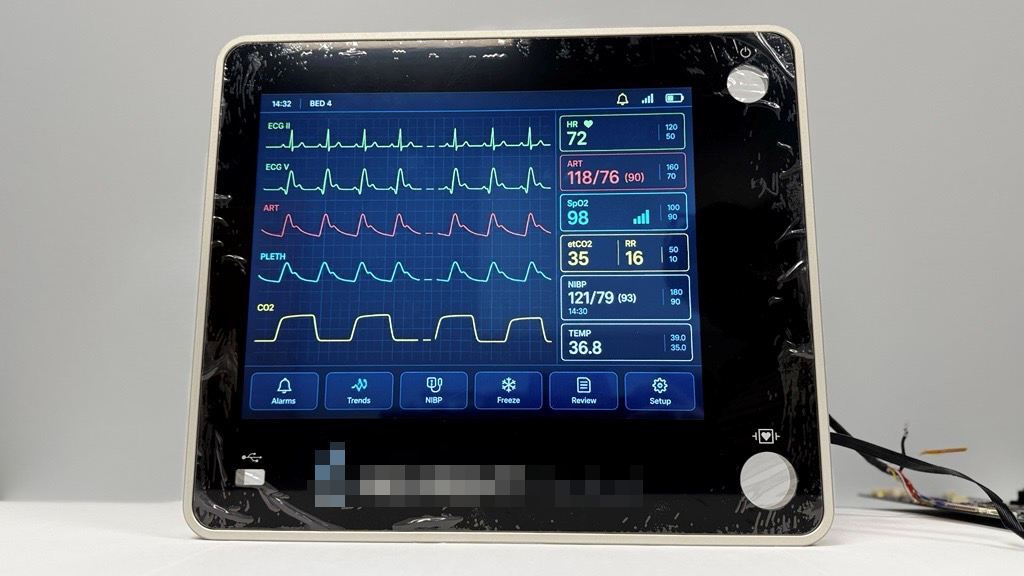
Yes. Rotary knobs can be fixed directly on the touchscreen, and the touch recognition is adjusted to capture finger movement along the knob’s defined circular path. That gives tactile, precise control where liquids, gloves, or the need for tactile feedback make virtual controls unreliable, without a special touch sensor pattern.
- The number, shape, and position of the knobs can be customized without changing the touch controller firmware.
- Knobs on the display replace separate control elements, which reduces overall height and production cost.
- They work on any capacitive touch display or under glass surfaces, with no additional hardware.
- In medical devices, knobs combined with authorization profiles and keyless access open new options for secure, flexible user interaction.
Tell us where the touch screen has to work, and we will take it from there. We specify the glass, the touch sensor, and the bond with you, source through the FORTEC Group, and stay with the project from first samples to series production, backed by our technical services.