
Back to Blog
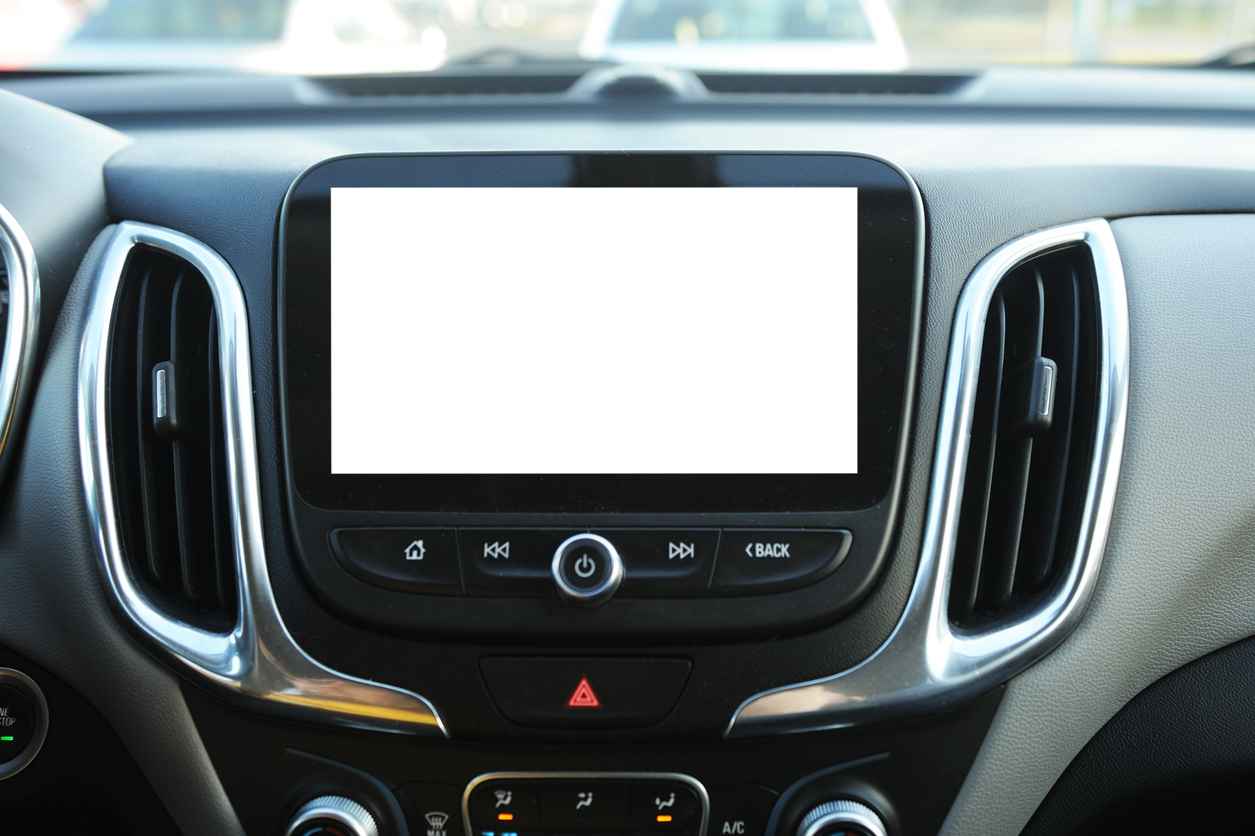
Optical Bonding in Automotive Displays: Better Visibility for Safer Driving
April 7, 2025
As automotive technology advances, driver safety and visibility remain top priorities. One of the most significant innovations in this space is optical bonding, a process that enhances display clarity, durability, and performance. In modern vehicles, where digital dashboards, infotainment screens, and heads-up displays (HUDs) are becoming the norm, FORTEC US’s optical bonding plays a crucial role in ensuring clearer, safer, and more reliable displays.
What is Optical Bonding?
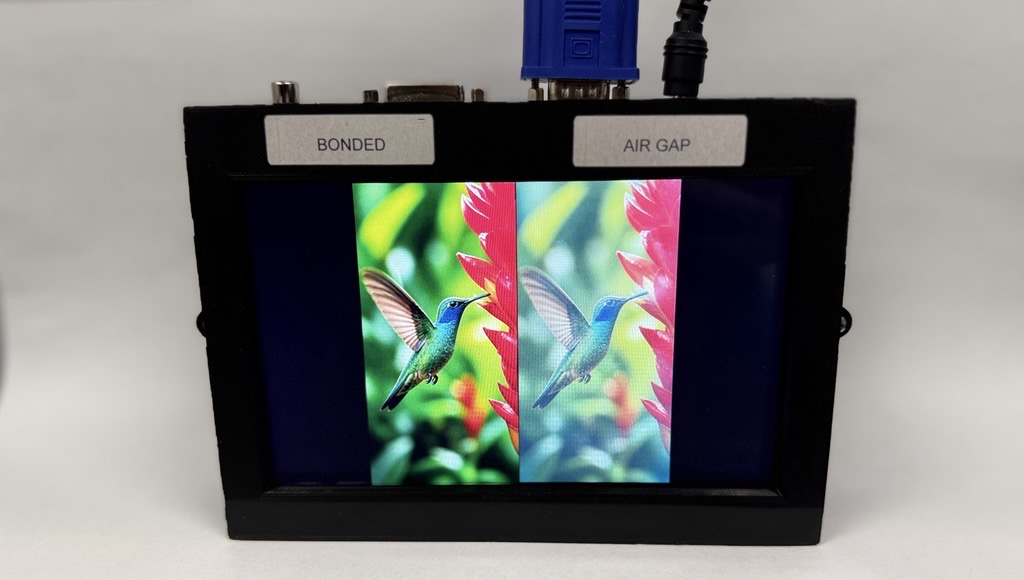
Optical bonding is a technique in which a protective glass or touchscreen is permanently bonded to a display using a transparent adhesive. This eliminates the air gap found in traditional displays, significantly improving visibility, durability, and touchscreen accuracy.
Key Benefits of Optical Bonding in Automotive Displays
1. Enhanced Visibility & Readability
Glare and reflections from sunlight can severely impact the readability of automotive screens. Optical bonding reduces light refraction and internal reflections, allowing for higher contrast and better visibility in bright conditions. This is particularly beneficial for heads-up displays and dashboard screens that must remain visible in varying lighting environments.
2. Increased Durability & Protection
Automotive displays are exposed to vibrations, shocks, and environmental stress. Optical bonding reinforces the structure of the screen, making it more resistant to impacts, scratches, and environmental damage. This is especially important for off-road and high-performance vehicles that endure harsh conditions.
3. Reduced Condensation & Fogging
Traditional displays with an air gap can accumulate moisture and condensation, leading to screen fogging and reduced visibility. Optical bonding eliminates this issue by removing the space where moisture could collect, ensuring consistent performance in all weather conditions.
4. Improved Touchscreen Responsiveness
Optically bonded displays offer a more precise and responsive touch experience. The absence of an air gap minimizes parallax issues, meaning that when a user touches the screen, the display reacts instantly with higher accuracy. This improves usability for in-car navigation, infotainment systems, and interactive controls.
The Future of Automotive Displays
As vehicles become more connected and autonomous, the demand for high-performance, durable, and visually clear displays will continue to grow. Optical bonding technology will be crucial in enhancing safety, user experience, and overall driving efficiency.
FORTEC US: Driving Innovation in Automotive Displays
At FORTEC US, we specialize in cutting-edge display solutions that optimize clarity, durability, and performance. Our optically bonded automotive displays are engineered to meet the highest industry standards, ensuring superior performance in any driving environment.
Looking to enhance your automotive display technology? Contact us today to learn more about our optical bonding solutions.
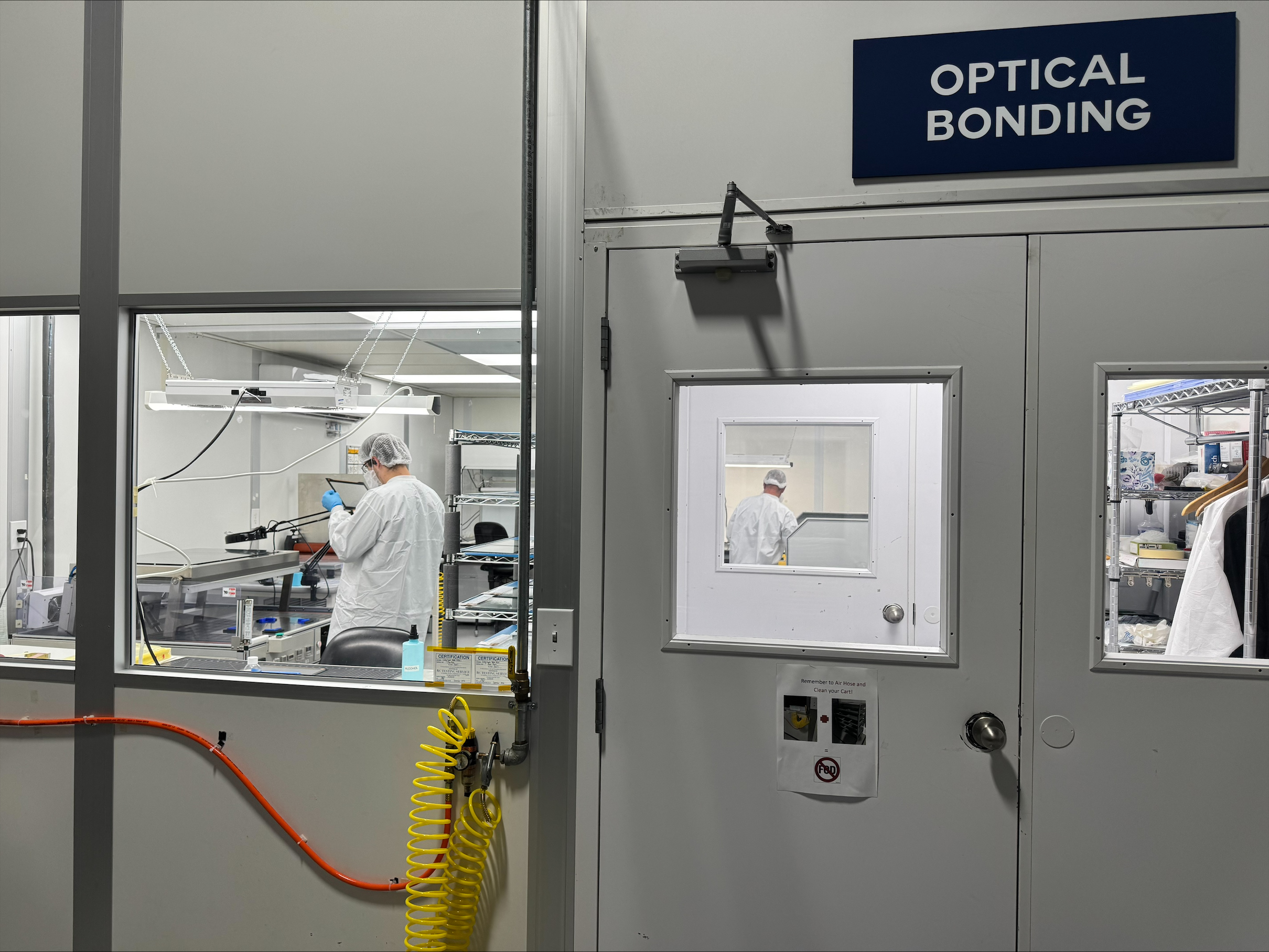
Which Optical Bonding Material Is Best: Silicone OCA, Acrylic OCA, or LOCA?
October 15, 2026
How Do You Design a Display for Harsh Environments?
October 12, 2026
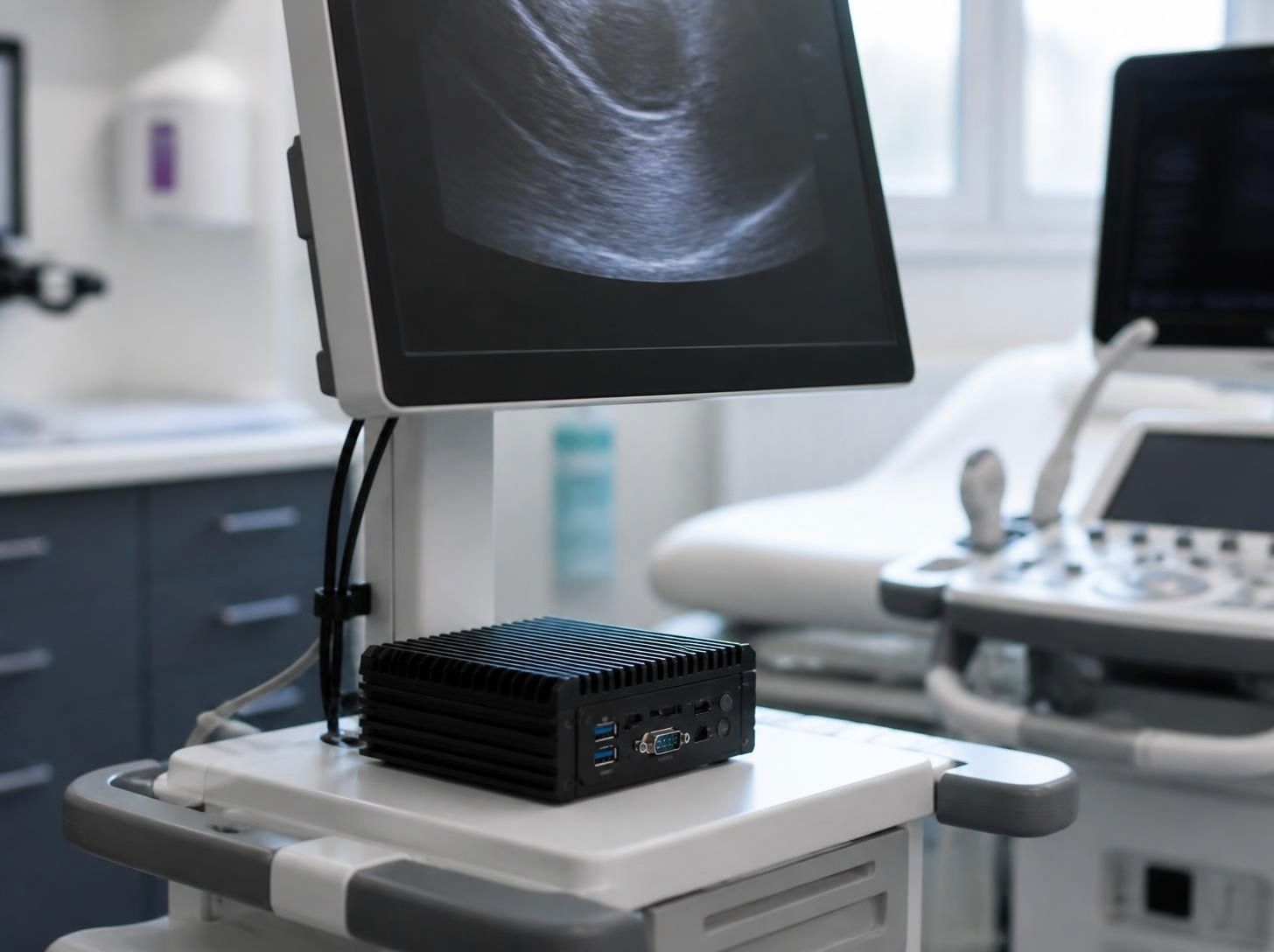
How to Choose an Edge AI Computer for a Medical Device
September 29, 2026
Embedded PCs vs. Consumer PCs: What’s the Difference?
August 31, 2026

How Hover Touch Technology Can Improve Industrial Interfaces
August 31, 2026

The Real Cost of Choosing the Wrong Display for an Industrial Product
August 28, 2026