
What Is CMMC 2.0 for Electronics Suppliers and Distributors?
November 25, 2026
By Scott Makboulian, Co-President, FORTEC US
CMMC 2.0 applies to an electronics supplier or distributor through its contracts: the level of cybersecurity certification required follows the U.S. Department of Defense (DoD) information the supplier handles. The Cybersecurity Maturity Model Certification (CMMC) is the program the DoD uses to verify that contractors and subcontractors protect that information. At FORTEC US, we wrote this guide for the engineers, buyers, and program managers who supply or specify electronics for defense programs.
The status changed in 2026. The third-party certification step scheduled to begin on Nov 10, 2026 is suspended. The self-assessment requirements that began on Nov 10, 2025 remain in place. This guide is current as of Nov 2026 and is not legal advice.
What Is CMMC 2.0 for Electronics Suppliers?
CMMC 2.0 is the DoD’s framework for confirming that a company’s cybersecurity matches the sensitivity of the DoD information it handles. The program rule is 32 CFR part 170, effective Dec 16, 2024. The contract rule that writes CMMC requirements into DoD solicitations and contracts, issued in 48 CFR as part of the Defense Federal Acquisition Regulation Supplement (DFARS), took effect on Nov 10, 2025. Together they set three levels, who assesses each one, and how the requirement reaches subcontractors.
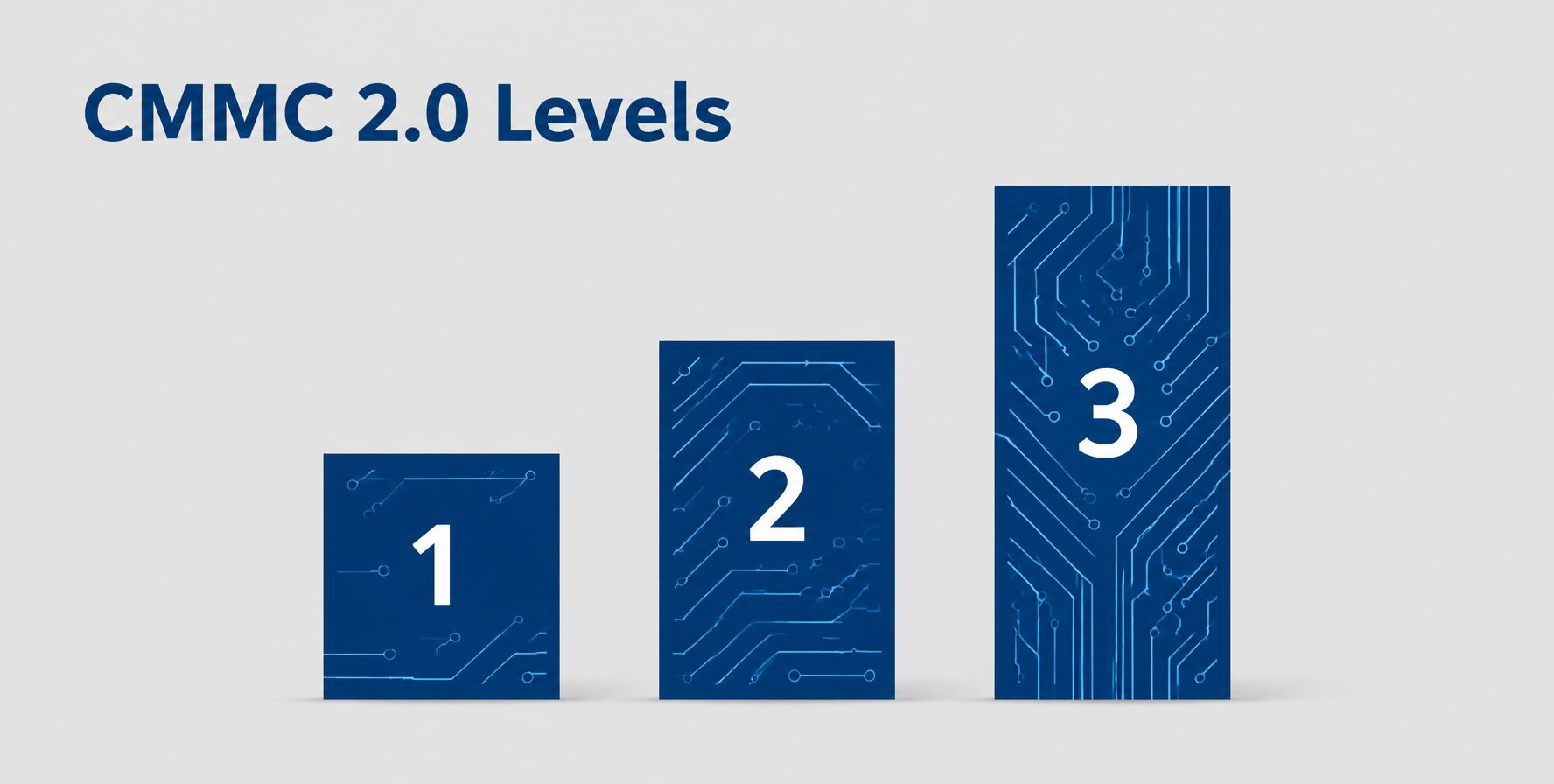
What Do CMMC Levels 1, 2, and 3 Require?
CMMC has three levels, and the level depends on whether a company handles only Federal Contract Information (FCI) or also Controlled Unclassified Information (CUI). A contract names the status it requires, such as Level 1 (Self) or Level 2 (C3PAO).
| Level 1 | Level 2 | Level 3 | |
|---|---|---|---|
| Protects | FCI | CUI | CUI |
| Requirements | The 15 basic safeguarding requirements in FAR 52.204-21 | The requirements of NIST SP 800-171 Revision 2 | 24 requirements selected from NIST SP 800-172 |
| Assessment | Annual self-assessment, with results posted in SPRS | Self-assessment, or a third-party assessment by a C3PAO, as the contract specifies | Government-led assessment by DCMA DIBCAC |
| Status named in a contract | Level 1 (Self) | Level 2 (Self) or Level 2 (C3PAO) | Level 3 (DIBCAC) |
A C3PAO is a third-party assessment organization authorized or accredited to conduct Level 2 certification assessments. DCMA DIBCAC is the Defense Contract Management Agency’s Defense Industrial Base Cybersecurity Assessment Center. SPRS is the Supplier Performance Risk System, where self-assessment results are posted.
What Are FCI and CUI?
FCI is information provided by or generated for the government under a contract that is not intended for public release. CUI is government information that law, regulation, or government-wide policy requires an agency to safeguard or control. FCI leaves out information the government makes public and simple transactional information, such as what is needed to process payments. CUI does not include classified information.
One common CUI category is controlled technical information. The National Archives’ CUI registry lists engineering drawings, specifications, and similar technical data under it. For a supplier that builds to a customer’s drawings or specifications, the practical question is whether that technical data arrives as CUI. The contract and the customer decide that, not the supplier.
Do CMMC Subcontractor Requirements Apply to Distributors?
Yes, when a subcontractor processes, stores, or transmits FCI or CUI for a DoD contract, the requirement applies to it at every tier. Under 32 CFR 170.23, a prime contractor must require its subcontractors to comply and must flow down the applicable level and assessment type for each subcontract. The minimums are:
- FCI only: Level 1 (Self).
- CUI: at least Level 2 (Self).
- CUI, where the prime contract requires Level 2 (C3PAO): at least Level 2 (C3PAO) for the subcontractor.
- CUI, where the prime contract requires Level 3 (DIBCAC): at least Level 2 (C3PAO) for the subcontractor.
The prime, or the next higher-tier subcontractor, sets the level for each subcontract.
The contract rule does not apply to awards made exclusively for commercial off-the-shelf (COTS) items, as FAR 2.101 defines them. The exclusion covers awards that are exclusively COTS. A supplier or distributor that also builds to a customer’s drawings or specifications should read its own contract and flow-down clauses rather than assume it is covered.
Is CMMC Phase 2 in Effect?
Phase 2 is not in effect. The DoD suspended it on Jul 13, 2026. Phase 2 was scheduled to begin on Nov 10, 2026 with third-party Level 2 (C3PAO) requirements, and the DoD has not announced an end date for the suspension as of Nov 2026. The rule sets the phases by timing: Phase 1 begins on the contract rule’s effective date, and each later phase begins one calendar year after the one before it.
| Phase | Start | What it adds | Status |
|---|---|---|---|
| Phase 1 | Nov 10, 2025 | Level 1 (Self) and Level 2 (Self) in applicable solicitations and contracts, as a condition of award | In effect |
| Phase 2 | Nov 10, 2026, as scheduled | Level 2 (C3PAO) in applicable solicitations and contracts, as a condition of award; Level 3 (DIBCAC) at DoD’s discretion | Suspended on Jul 13, 2026 |
| Phase 3 | One calendar year after Phase 2 starts | Level 2 (C3PAO) for all applicable contracts and as a condition to exercise an option period, plus Level 3 (DIBCAC) in applicable contracts | Timing depends on when Phase 2 begins |
| Phase 4 | One calendar year after Phase 3 starts | CMMC requirements in all applicable DoD solicitations and contracts, including option periods on earlier contracts | Timing depends on when Phase 2 begins |
The DoD said all Phase 1 self-assessment requirements remain in place. Contractors that handle covered defense information also remain responsible for DFARS 252.204-7012 and for NIST SP 800-171 Revision 2.
The DoD paired the suspension with a CMMC Reform Task Force review of the program, and the requirements described here can still change.
What Should an Electronics Supplier Do Now?
Work out which information each contract puts in the supplier’s hands, then document the controls that information requires. A practical order is:
- Read each defense-related contract and flow-down clause for the CMMC level and assessment type it names, and for DFARS 252.204-7012.
- Decide whether the work involves FCI only or also CUI, such as customer drawings and specifications.
- Complete the self-assessment that level requires, keep it current, and post the result in SPRS.
- Reassess any third-party assessment commitments made for the Nov 10, 2026 date, and keep NIST SP 800-171 Revision 2 compliance documented, because the self-assessment requirements continue and Phase 2 could return in revised form.
For related supplier paperwork, see which compliance documents an original equipment manufacturer needs from its display and embedded suppliers.
CMMC 2.0 FAQs
Is CMMC the same as NIST SP 800-171?
No. NIST SP 800-171 Revision 2 is the set of security requirements that CMMC Level 2 is built on. CMMC is the DoD program that verifies a company meets them, by self-assessment or by a third-party assessment, depending on the contract.
What is the difference between Level 2 (Self) and Level 2 (C3PAO)?
Who does the assessment. Both use the same Level 2 requirements. Level 2 (Self) is the company assessing its own system, and Level 2 (C3PAO) is an authorized third-party assessment organization doing it. The contract states which one it requires.
What is SPRS and what goes in it?
SPRS is the Supplier Performance Risk System, and it is where CMMC self-assessment results and affirmations are submitted. A Level 1 (Self) assessment is done annually, and its result is posted there.
Planning a Defense Display, Embedded, or Power Design?
Tell us about the display, embedded, or power application you are planning: what it has to do, where it has to work, and your volumes and timeline. We will help you find the right fit. For a defense program, we engage at specification, not at purchase order. Reach FORTEC US at info@fortec.us.
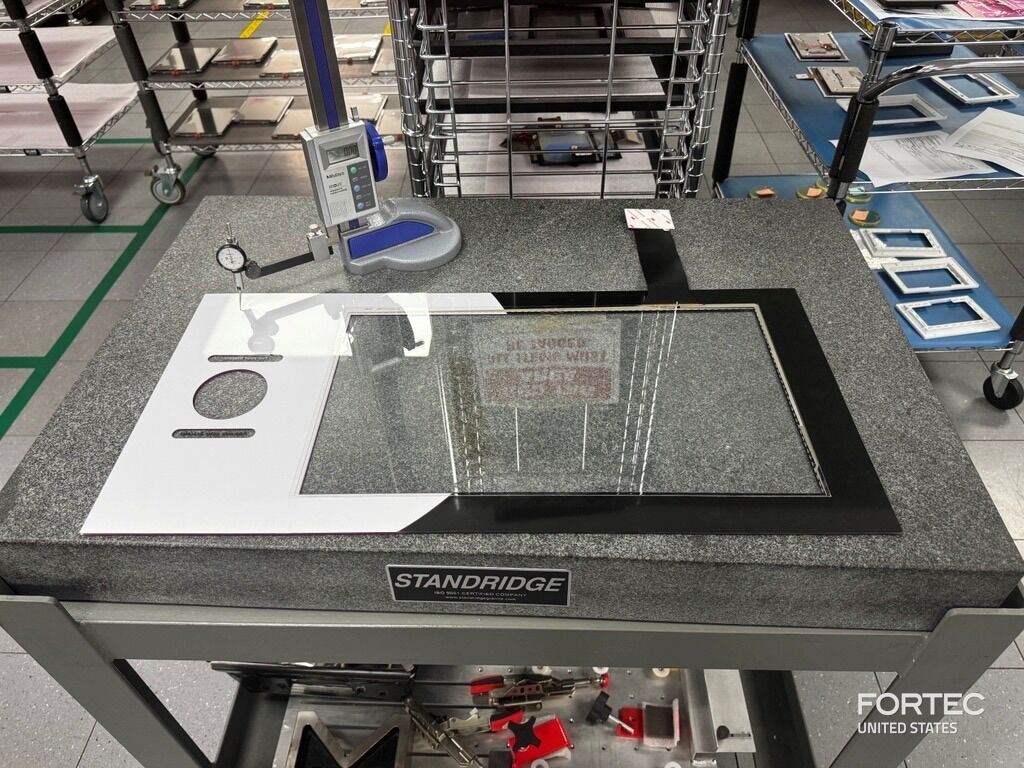
What Does the FORTEC US Quality Control Team Do?
November 24, 2026
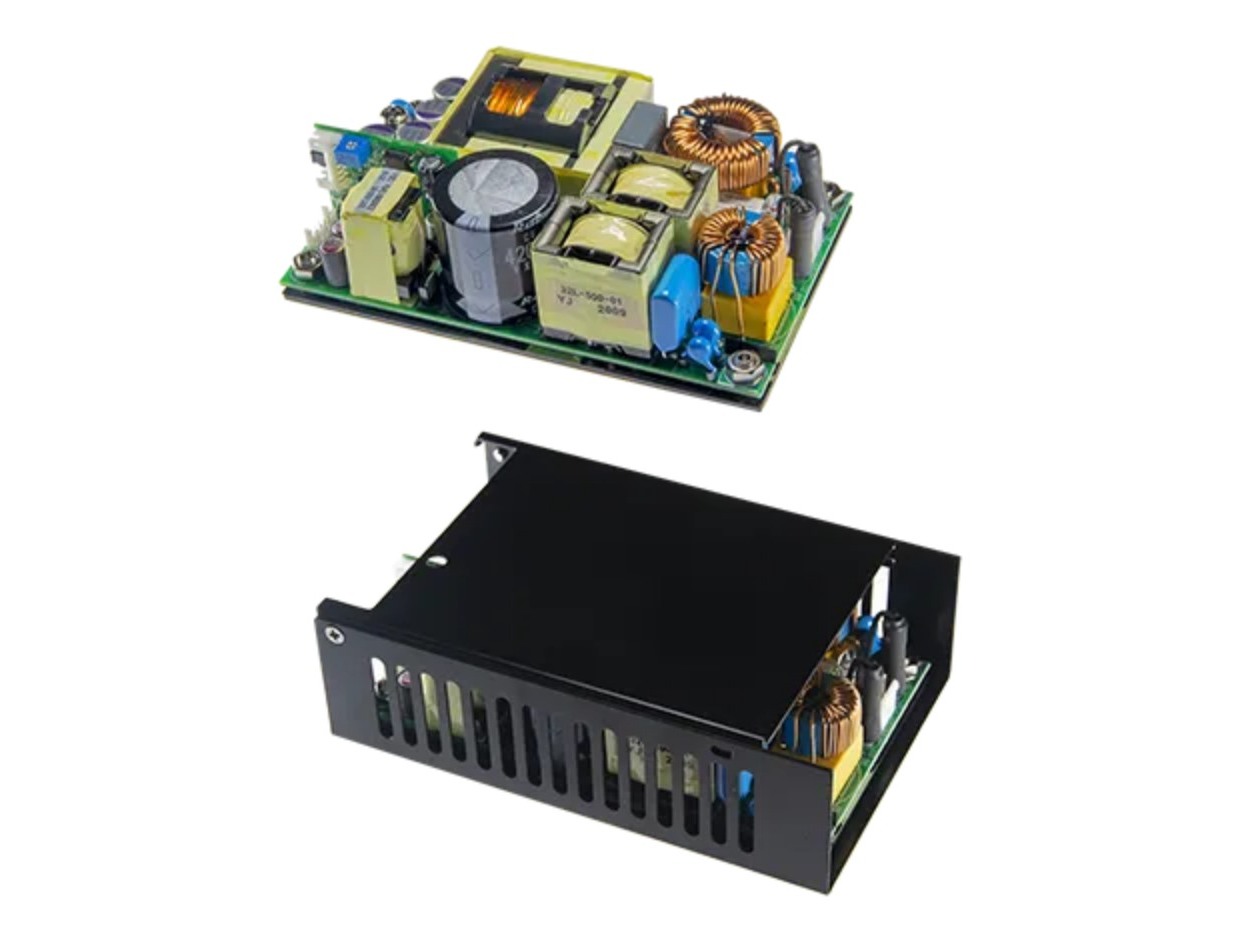
Cincon CFM500 Power Supply: Up to 500 W in a 3 x 5-Inch Footprint
November 23, 2026

What Does the FORTEC US Engineering Team Do?
November 19, 2026

What Does the FORTEC US Operations Team Do?
November 17, 2026
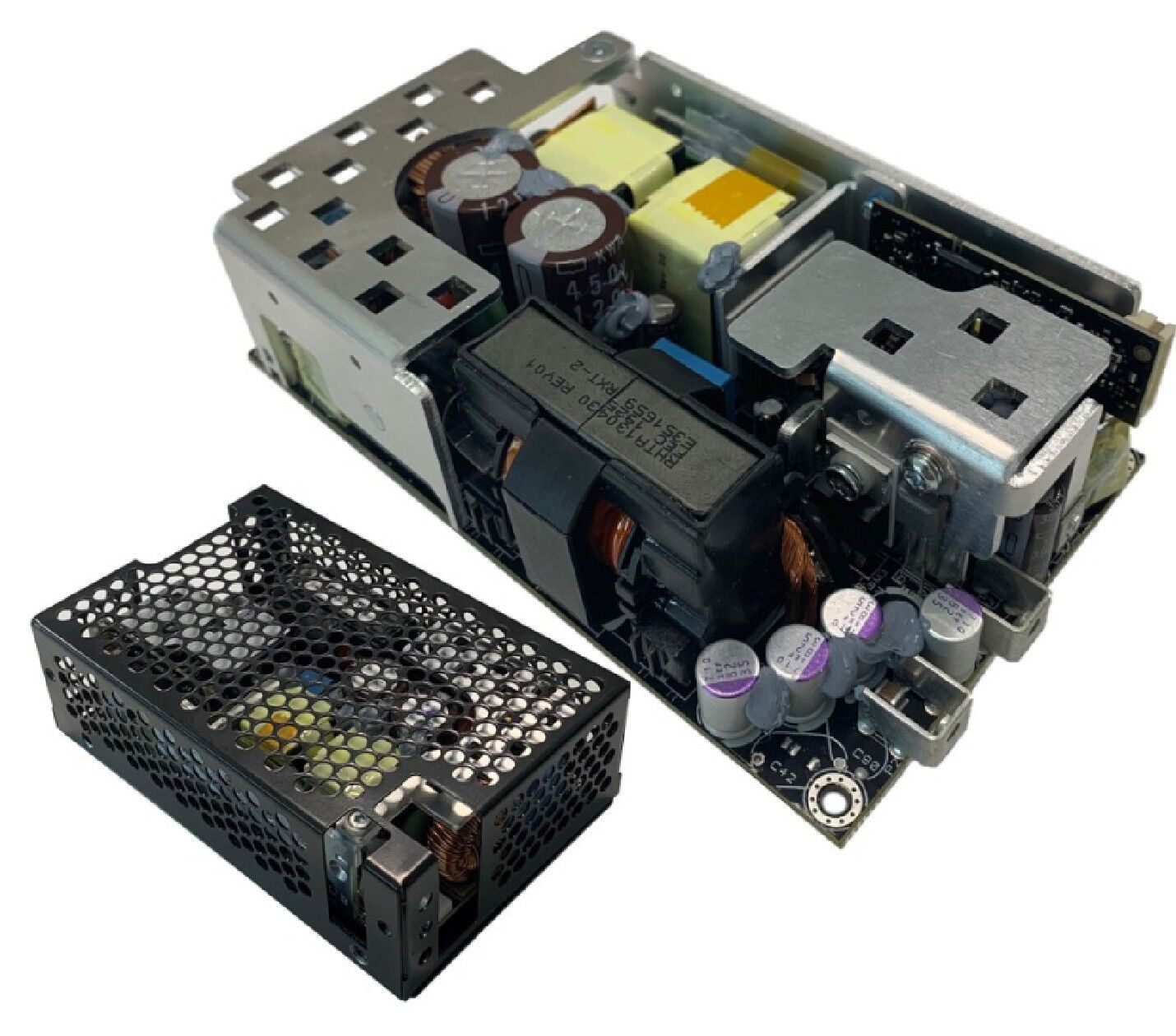
DDP520 Power Supply: 340 W Without a Fan in a 3 x 5-Inch Footprint
November 16, 2026
Which PCAP Touchscreen Construction Fits Your Design: Glass/Glass, Glass/Film, or Film/Film?
November 4, 2026