Back to News Feed

Which TFT Displays Read Well in Both Landscape and Portrait?
January 29, 2015
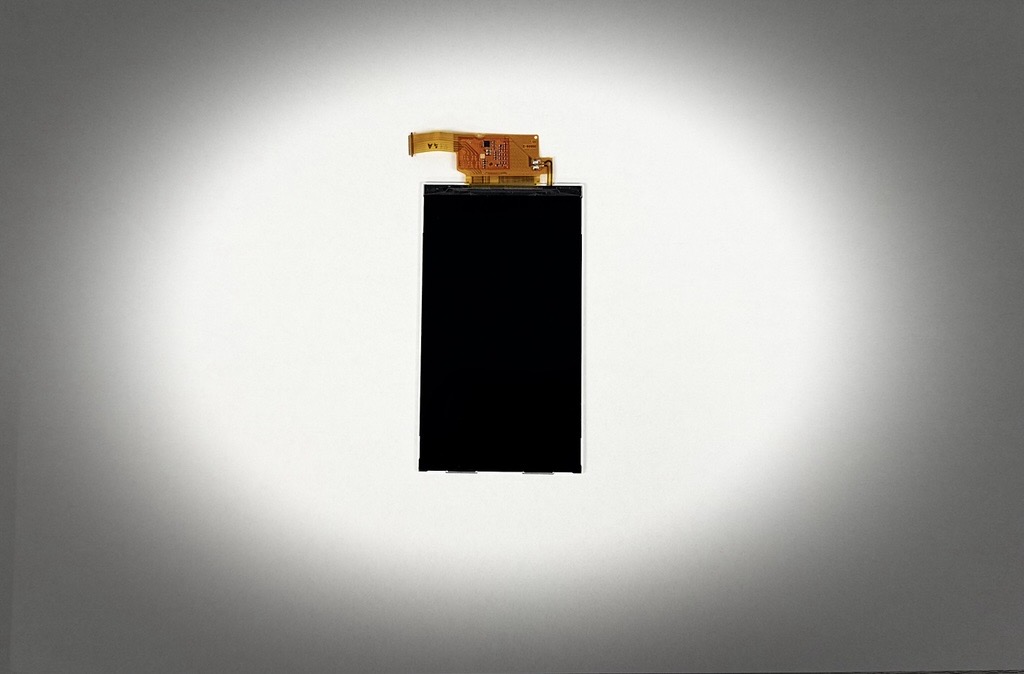
Industrial TFT displays with a symmetrical wide viewing angle, the same from all directions, read equally well in landscape and portrait mode. Turning a display on its side swaps its horizontal and vertical viewing directions, so a panel that is equally wide in both can be mounted either way without the image fading for part of the audience. The FORTEC Group offers a wide selection of these displays, and we supply, integrate and support them from Ronkonkoma, New York.
How do you spot a symmetrical viewing angle on a datasheet?
Look for four equal figures. A datasheet gives the viewing angle in four directions, and a symmetrical panel shows the same value in each. The 7-inch LCD121-070CTL1ARNTTR0.2, for example, is specified at 80/80/80/80, and its 1200 × 1920 format is built for portrait use.
What sizes and options are available?
When the FORTEC Group brought this range together in 2015, it ran from 5 to 27 inches, from established TFT manufacturers including Kyocera, Innolux, LG and AUO. The range included versions with:
- High brightness of up to 1300 cd/m².
- A wide temperature range of -30 to +80°C (-22 to +176°F).
- Both together, for bright displays in harsh conditions.
The panels on offer change over time, so we confirm the current options for each project. Our post on what sets Kyocera industrial TFT displays apart covers one maker’s bright, wide-angle range in detail.
Can the display come as a complete kit?
Yes. On request, we supply each TFT display as a complete kit with one of our Prisma series TFT controllers, so the display connects to the video source without a separate controller design. Our post on how Prisma TFT controllers simplify display integration explains what the controller handles.
Can a touchscreen or cover glass be added?
Yes, optically bonded. When the display needs a touchscreen or a protective glass, our VacuBond® optical bonding process joins it to the panel as one assembly.
Tell us how the display will be mounted and who has to read it, and we will take it from there. We recommend the panel, controller and touchscreen, bond and integrate them, and stay with the project from first samples to series production, backed by our technical services.