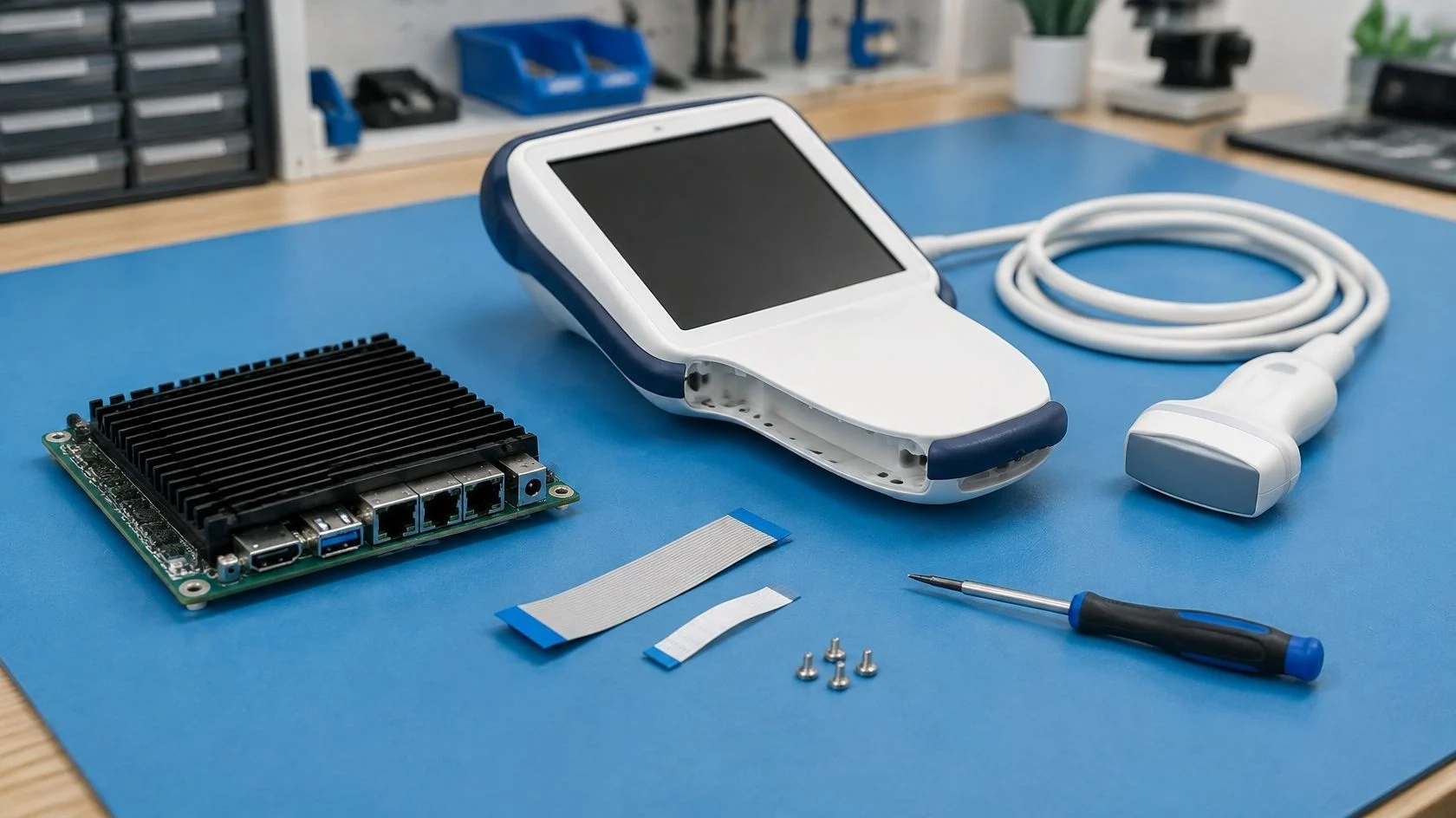

The Science Behind Touch Screens: How Do They Really Work?
January 30, 2024
Projected Capacitive vs. Resistive Touch Screens
Touch screens have revolutionized the way we interact with technology, bringing information to our fingertips with ease. But have you ever wondered how they actually work? Let’s dive into the fascinating science behind touch screen technology, exploring the principles behind two of the most common types: resistive and projected capacitive touch screens.
Resistive Touch Screens
Resistive touch screens consist of two electrically conductive layers separated by spacers. When pressure is applied, the layers bend to touch each other, altering the electrical current flowing through them. This change in current allows the device to detect the touch location and execute the corresponding function. While resistive touch screens are reliable, they can only handle single touches at a time, making them ideal for simple, quick-use electronics.
Projected Capacitive Touch Screens
Projected capacitive touch screens, on the other hand, detect touch based on changes in electrical flow caused by anything holding an electrical charge, including human skin. These screens use a grid of transparent conductors, usually indium tin oxide (ITO), or a mesh of copper lines too fine to see. When a finger touches the screen, it completes an electrical circuit, leading to a voltage drop at the touch location, triggering the associated action. PCAP sensors are built in glass and film layers, and the PCAP touchscreen types explain which construction fits which design.
Touch Screens with FORTEC US
Understanding the underlying principles of touch screen technology and how they work sheds light on the incredible innovation behind these ubiquitous devices. Whether it’s resistive or projected capacitive, each type offers unique benefits and applications, shaping the way we interact with our digital world. At FORTEC US, we specialize in delivering cutting-edge touch screen solutions tailored to meet the diverse needs of our clients.
For OEM designs, our PCAP touchscreens use a touch foil instead of a separate touch glass, removing a glass layer for a thinner build and better optics. Custom glass shapes and printed logos are available.
Contact Us Today to Learn More About Our Custom Digital Screen Solutions!
As the global leader in optical bonding, FORTEC US supports you in all project phases – from the construction of the metal housing and procurement of specific parts to the in-house development of controller boards and touchscreen integration. In need of a product, part, or have a project in mind? Contact us today at (631) 648-6400 or on our website for more information.
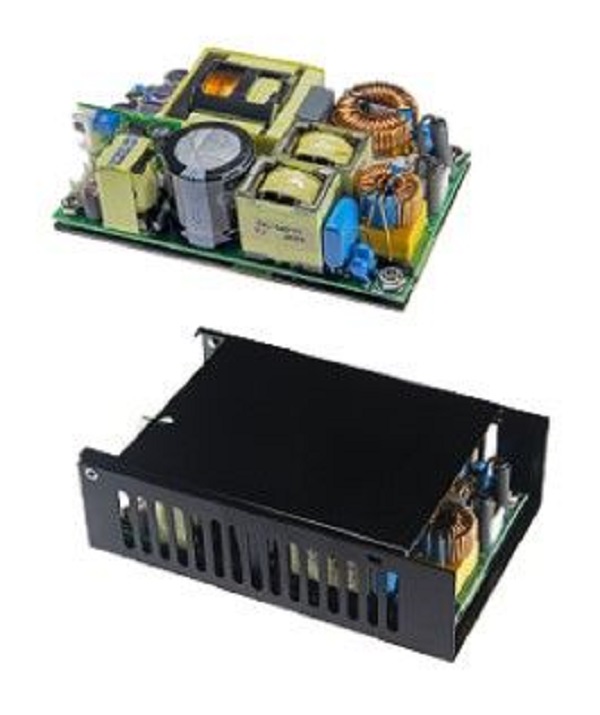
Cincon CFM500 Power Supply: Up to 500 W in a 3 x 5-Inch Footprint
November 23, 2026
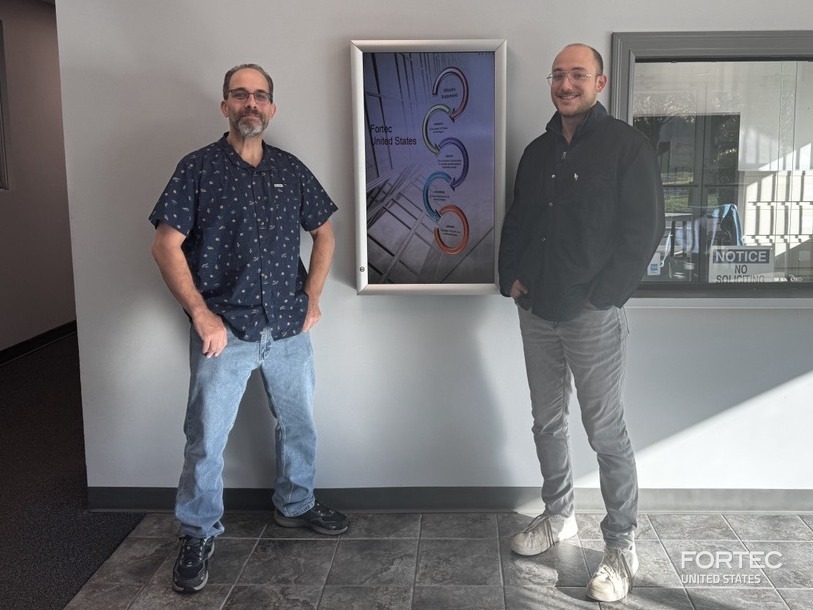
What Does the FORTEC US Engineering Team Do?
November 19, 2026
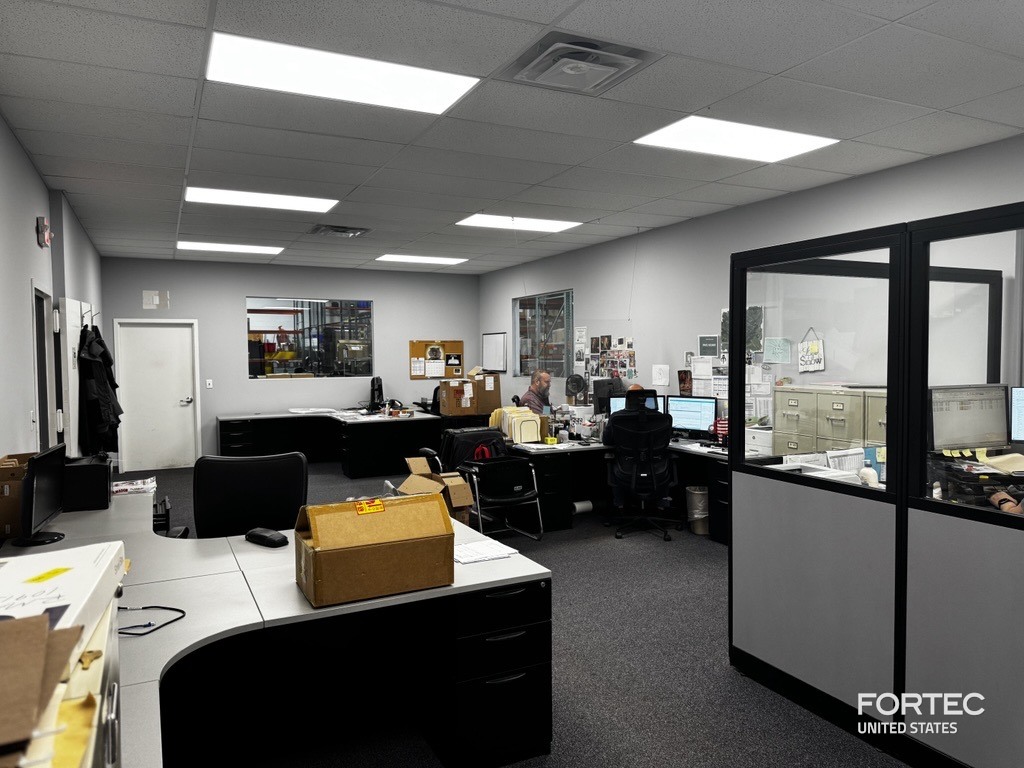
What Does the FORTEC US Operations Team Do?
November 17, 2026
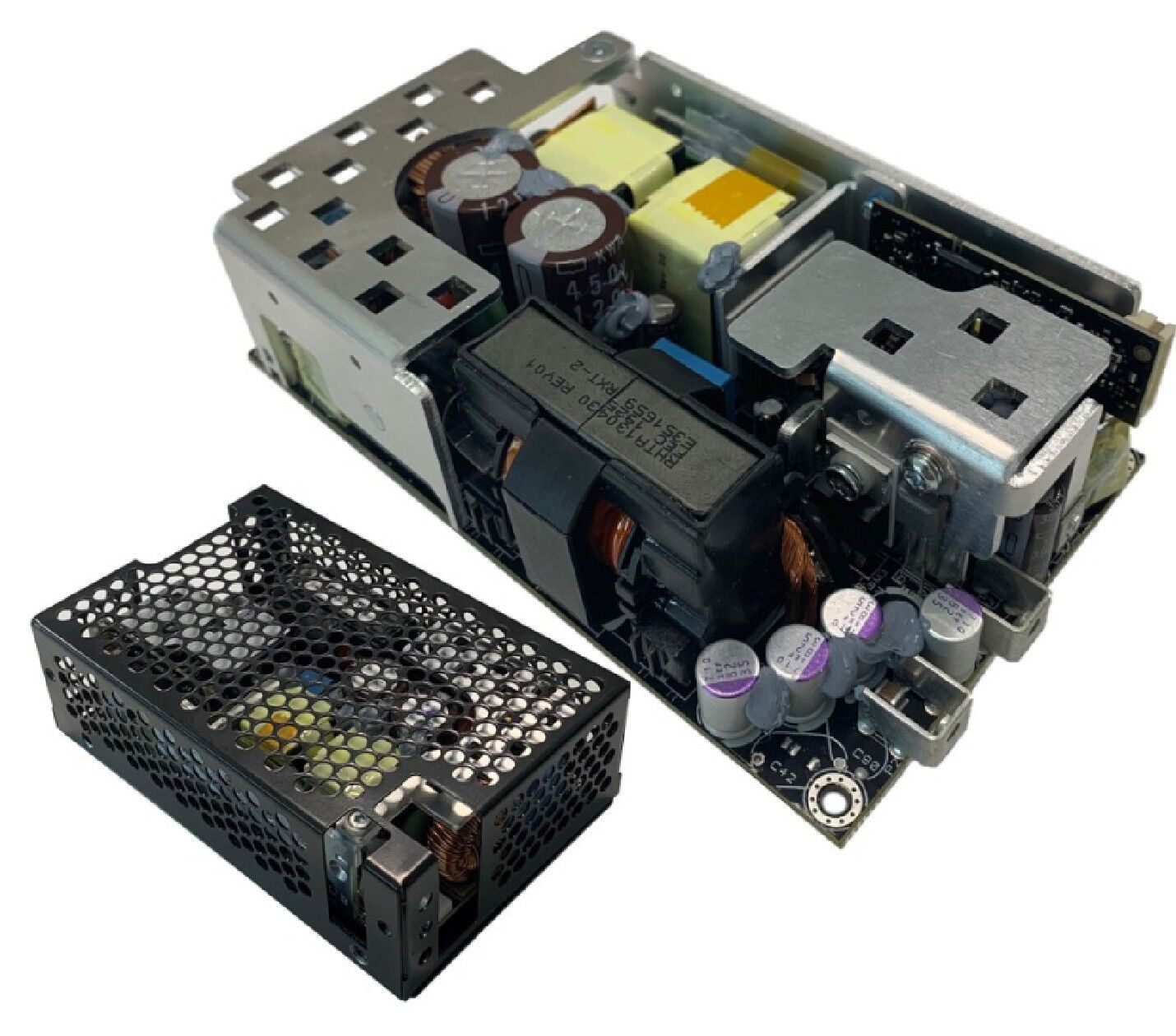
DDP520 Power Supply: 340 W Without a Fan in a 3 x 5-Inch Footprint
November 16, 2026
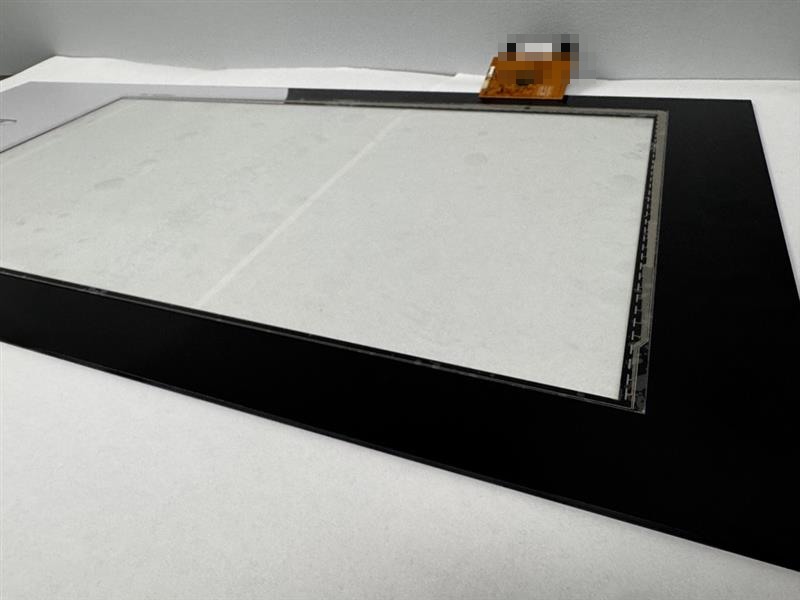
Which PCAP Touchscreen Construction Fits Your Design: Glass/Glass, Glass/Film, or Film/Film?
November 4, 2026
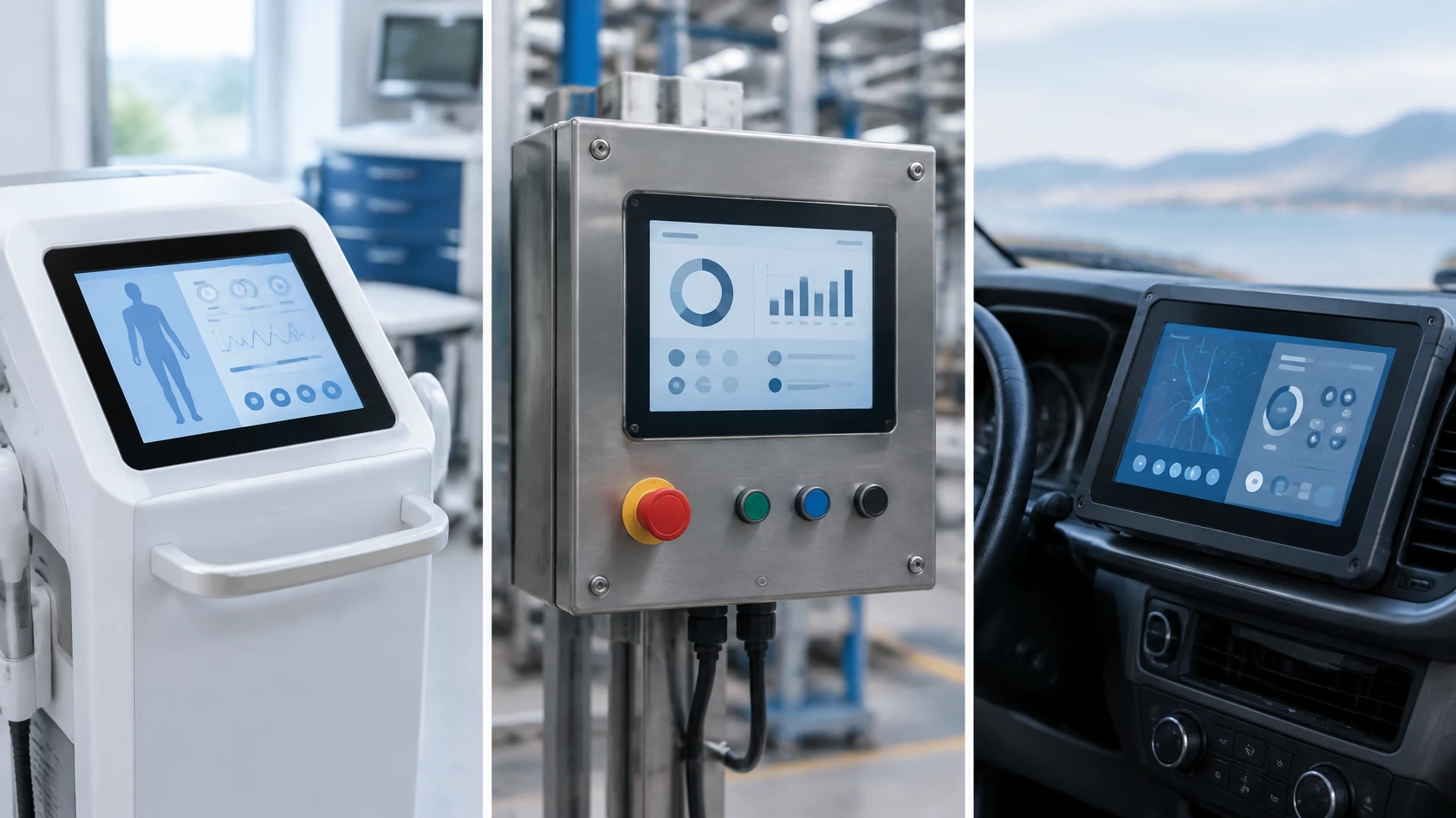
Which Industries Does FORTEC US Serve?
November 3, 2026