Back to News Feed
What Should a Medical Device OEM Look for in a Touch Monitor and PC?
February 26, 2026
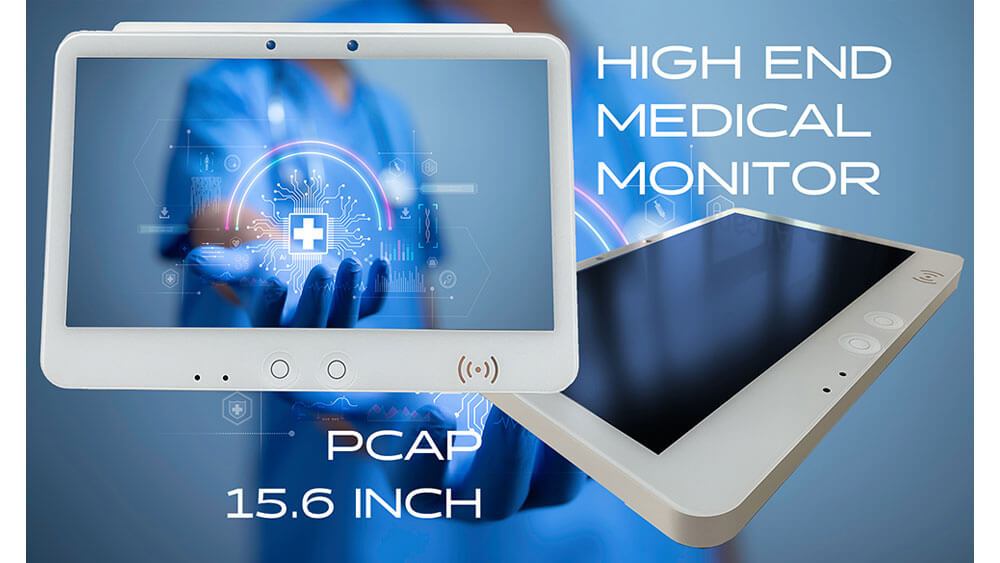
A medical device OEM should look for a touch monitor that integrates cleanly into an ISO 13485 design, survives cleaning and continuous use, and can be adapted to the device, and for a PC that meets IEC 60601-1 and has the computing power the application needs. Behind both, it should look for a supply chain planned for the life of the device. The FORTEC Group offers both halves: the MED-Line 15.6″ touch monitor from FORTEC Integrated and the MDS-M700 medical box PC, which were first shown together at MedTec Live in 2025. We supply, integrate, and support them for medical device OEMs in the US.
What should a medical touch monitor offer?
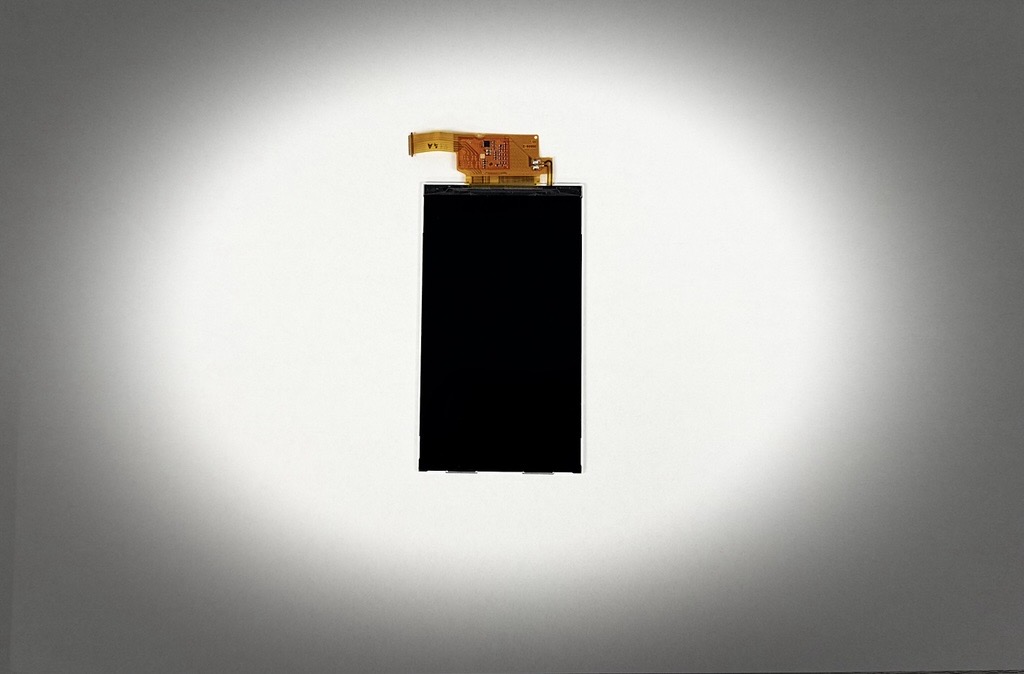
A readable, cleanable, sealed front and a way to show the clinician that the system is working. The MED-Line 15.6″ has:
- A 15.6-inch Full HD display at 500 cd/m² with wide viewing angles.
- PCAP touch with up to ten touch points behind a durable, easy-to-clean glass surface.
- An IP65-protected front, and a design for reliable 24/7 operation.
- An automatic function check with a status LED at the top of the monitor: green for proper operation, red for a fault. The control panel can lock the unit’s function in an emergency.
- One cable for data, video, and power, which cuts installation effort and cable clutter.
- A configurable connectivity box for secure, standards-compliant data transmission that meets current cybersecurity requirements.
- Optional light and proximity sensors that adjust brightness and switch the monitor on and off, an integrated camera for telemedicine, an NFC reader for fast user authentication, and front control buttons.
Can a medical touch monitor be adapted to one device?
Yes. The MED-Line 15.6″ is available ready to use, and it also serves as a reference design: the 15.6-inch display size is fixed, while the features and interfaces can be configured for the customer’s device, from series production to specialized medical technology applications. Complete integration into an ISO 13485 design is possible. Because the monitor is built in high production numbers, it stays affordable even for applications with lower quantities, and it is produced across the Group’s sites in China, the Czech Republic, Germany, and the US, with a ramp-up in Egypt, through a supply chain set up to minimize customs and sanction risks.
Which computer should drive it?
The one the application calls for, which is why the monitor does not tie you to one. Two configurations have been shown:
- Compact and embedded: at embedded world 2026 the MED-Line ran on the conga-HPC/mRLP, a COM-HPC Mini module measuring 95 x 70 mm with 13th Gen Intel® Core™ (Raptor Lake-P) processors and soldered DDR5 memory for robustness, on a COM-HPC Mini carrier board.
- GPU-heavy imaging: the MDS-M700 medical box PC, with 13th or 12th Gen Intel® Core™ processors, NVIDIA® RTX A5000, A4000, A2000, or T1000 graphics for processing 4K UHD AI images, four DisplayPort outputs, and three Ethernet ports. Its thermal design has no openings on the front and side panels, which keeps it at a quiet 45 dB, and it complies with IEC 60601-1 alongside CE, FCC, and UL certification.
Other control solutions can be built around the monitor. Our guide on how to choose an edge AI computer for a medical device covers the questions that decide which one.
How do we take a medical device project from here?
Tell us about the device and where it will be used, and we will take it from there. We recommend the monitor configuration and the computer behind it, integrate them, and stay with the project from first samples to series production, while qualifying the samples in your device remains your team’s step. When a part receives an end-of-life notice, we tell our customers early and plan with them: a last-time buy or a qualified replacement before supply runs out. Contact FORTEC US to discuss your specification.